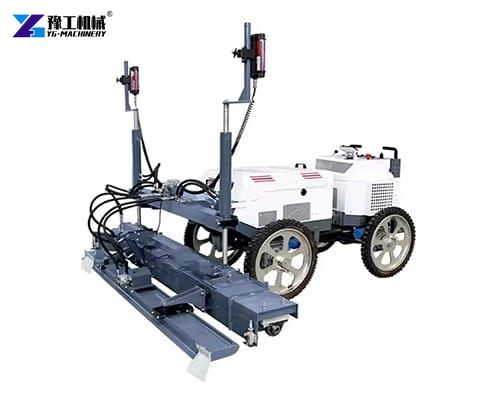
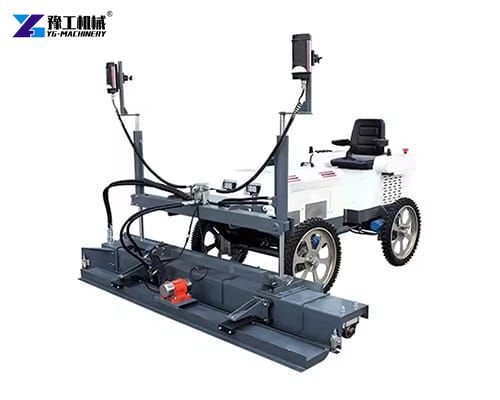
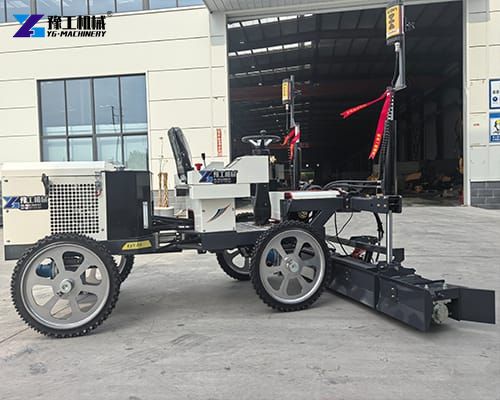
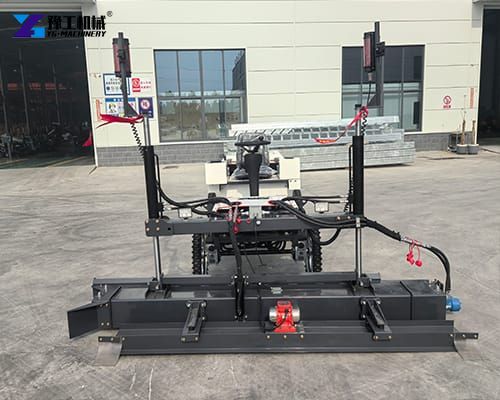
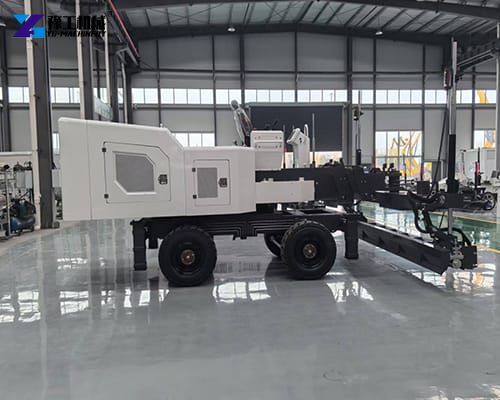
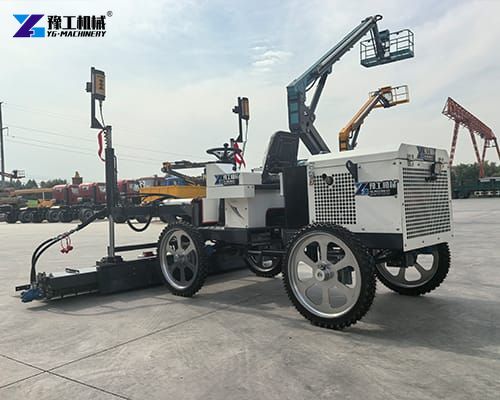
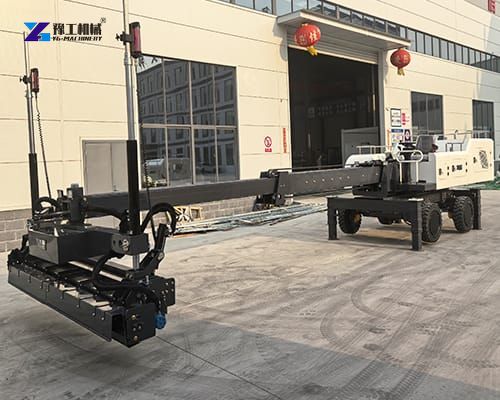
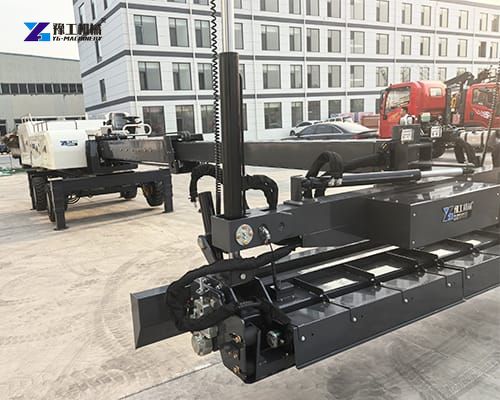
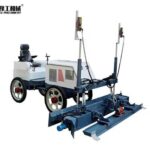
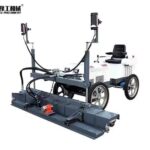
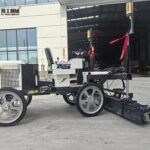
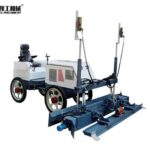
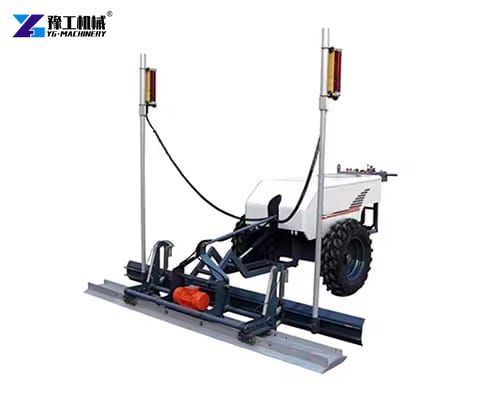
Laser concrete leveling machine, also known as laser concrete screed, is a specialized equipment designed to automate the process of leveling and smoothing concrete surfaces. Different traditional methods that rely on manual labor and basic tools, these machines use laser technology to achieve unparalleled accuracy. The laser system emits a beam that serves as a reference point for the machine’s sensors, allowing it to adjust its height and angle in real time. This ensures that the concrete surface is perfectly flat and level, meeting the strictest standards for industrial, commercial, and residential projects.
Precision Control Systems The heart of the machine is its laser control system. It consists of a stationary laser transmitter and receivers mounted on the machine. This ensures that the screed head stays at the exact elevation required, compensating automatically for any fluctuations in the ground or machine movement.
High Frequency Vibration To ensure the concrete is dense and free of air pockets, these machines are equipped with high frequency vibrators. This process not only levels the surface but also consolidates the material, leading to a stronger and more durable finished slab.
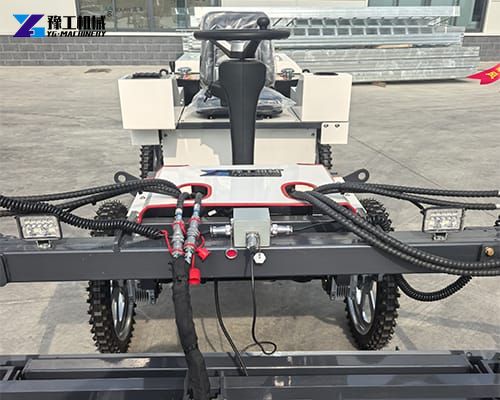
Automatic Leveling Head The screed head is a multi-functional component that includes a plow to move excess concrete, an auger to distribute it evenly, and a vibratory finish beam. The synchronization of these parts allows for a smooth, professional finish in significantly less time than manual methods.
Industrial Warehousing In the age of automated logistics, warehouse floors must be exceptionally flat to allow high-reach forklifts to operate safely. Laser-level floors meet the stringent Super Flat Floor specifications required for high bay racking systems.
Commercial Parking Structures Parking garages require specific slopes to ensure proper water drainage. Laser leveling machines can be programmed to handle complex multi-directional slopes, ensuring that water flows toward drains rather than pooling in the center of the driving lanes.
Airport Runways And Hangars Aerospace environments demand the highest levels of structural integrity and surface smoothness. The consolidation provided by the vibratory systems in these machines ensures that runways can withstand the immense weight and friction of landing aircraft.
Sports Arenas And Exhibition Centers Large public spaces require aesthetic perfection and structural reliability. Whether it is a foundation for an ice rink or a massive convention hall floor, laser technology provides the consistent finish necessary for high-traffic areas.
The Chassis and Drive Train The frame is typically built from high-strength steel to withstand the harsh environment of a construction site. Most machines utilize a Four Wheel Drive system with specialized tires that provide traction on wet concrete without sinking too deep into the subgrade.
The Telescopic Boom On larger models, a telescopic boom allows the screed head to reach out over the wet concrete, meaning the heavy machine does not have to drive directly onto the freshly poured material as often. This minimizes disturbance to the reinforcement mesh or rebar.
Laser Receivers Usually mounted on masts attached to the screed head, these sensors pick up the signal from the transmitter. They send real-time data to the onboard computer, which adjusts the hydraulic cylinders to raise or lower the screed head hundreds of times per minute.
Hydraulic Power Unit The hydraulics provide the muscle for the machine. From moving the boom to powering the vibrators and the drive wheels, a robust hydraulic system is crucial for smooth operation.
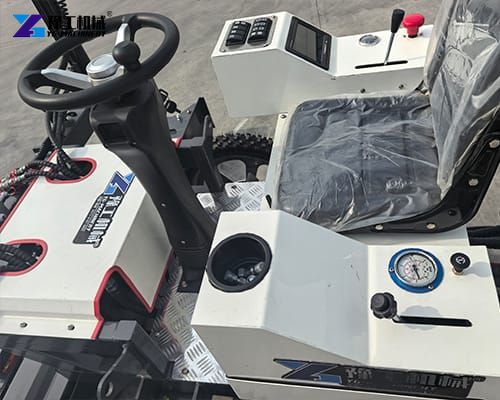
control system of concrete laser leveling machine
operating part of the automatic concrete leveling machine
Buying Guide: Selecting the Suitable Machine
Choosing the right laser concrete leveling machine depends on the specific needs of your business.
Assess Project Scale If you primarily work on residential driveways or small retail shops, a compact walk-behind model is more cost-effective and easier to transport. For large industrial contracts, a ride-on or boom extension model is a necessity.
Technical Support and Brand Reputation These are high-tech machines that require maintenance. Choose a manufacturer with a strong reputation for reliability and the ability to provide parts and technical support when needed.
Ease of Operation Look for machines with user-friendly interfaces. A machine that is easy to calibrate and operate will reduce the learning curve for your team and ensure better results from day one.
We use cookies to ensure that we give you the best experience on our website. If you continue to use this site we will assume that you are happy with it.