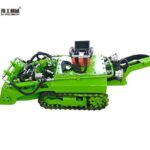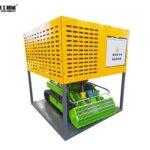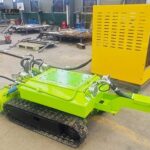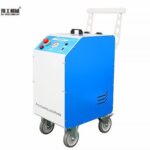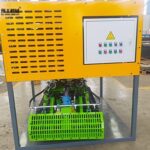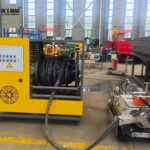
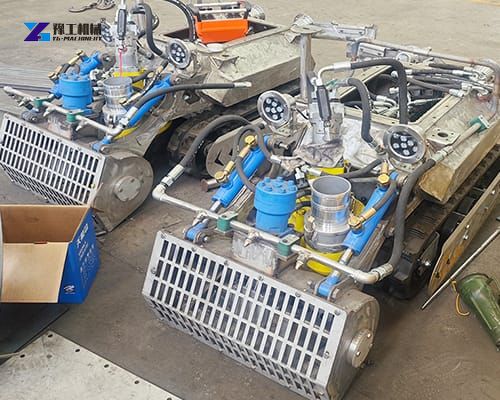
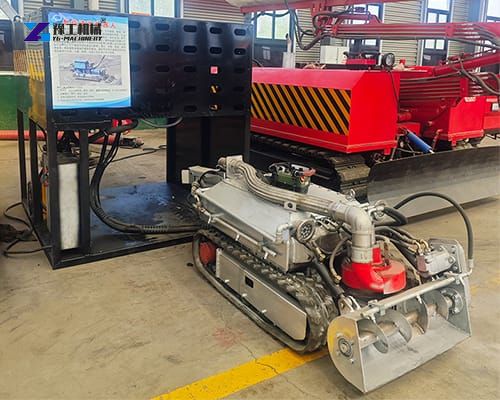
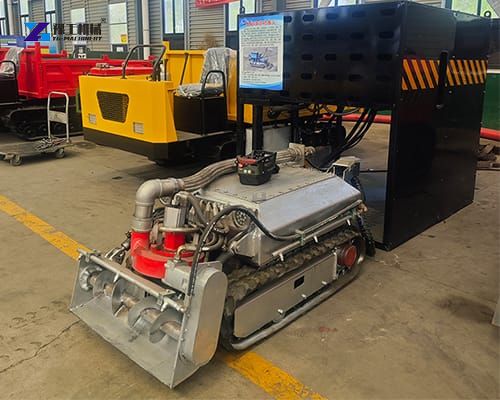
Tank cleaning robot is the equipment engineered to clean the interiors of storage tanks without human intervention. Equipped with advanced sensors, high-pressure nozzles, and robust cleaning mechanisms, these robots navigate the confined spaces of tanks, efficiently removing residues, sludge, and contaminants. Their design ensures thorough cleaning while minimizing downtime and enhancing safety. These robots are widely used in industries such as oil and gas, chemicals, food and beverage, and wastewater treatment. By reducing the need for human entry into confined spaces, they enhance safety, improve cleaning quality, and lower operating costs.
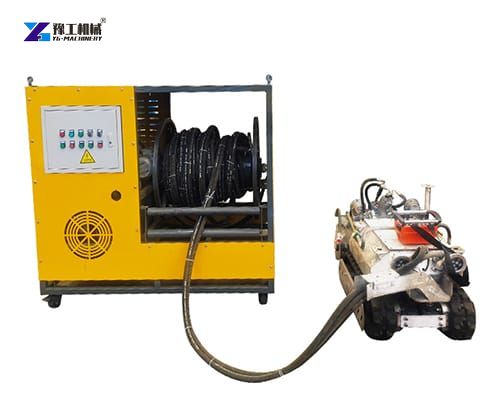
Specifications of the Tank Cleaning Robot
| Model | YG-500 | YG-600 | YG-900 | YG-1200 |
| Robot body | Robot size: 1250mm×500mm×620mm Drainage width: 500mm Travel speed: 3-17M/min | Robot size: 1350mm×600mm×670mm Drainage width: 600mm Travel speed: 3-17M/min | Robot size: 1650mm×900mm×600mm Drainage width: 900mm Travel speed: 3-17M/min | Robot size: 2000mm×1200mm×900mm Drainage width: 1200mm Travel speed: 3-17M/min |
| 4-inch underwater slurry pump | Used for underwater pumping of sludge Pumpable particle diameter: 40mm (can be changed according to customer needs) Lift: 25 meters (horizontal conveying distance 100-150 meters) | Used for underwater pumping of sludge Pumpable particle diameter: 40mm (can be changed according to customer needs) Lift: 25 meters (horizontal conveying distance 100-150 meters) | Used for underwater pumping of sludge Pumpable particle diameter: 40mm (can be changed according to customer needs) Lift: 25 meters (horizontal conveying distance 100-150 meters) | Used for underwater pumping of sludge Pumpable particle diameter: 40mm (can be changed according to customer needs) Vertical distance: 40 meters; horizontal conveying distance 150-200 meters |
| Underwater hydraulic power source | Waterproof hydraulic system | Waterproof hydraulic system | Waterproof hydraulic system | Waterproof hydraulic system |
| Robot main control cabin (underwater) | Used to control all actions of the robot, including the start and stop of underwater hydraulics and the lighting system. | Used to control all actions of the robot, including the start and stop of underwater hydraulics and the lighting system. | Used to control all actions of the robot, including the start and stop of underwater hydraulics and the lighting system. | Used to control all actions of the robot, including the start and stop of underwater hydraulics and the lighting system. |
| Underwater lighting system | 2 LED lights | 2 LED lights | 2 LED lights | 2 LED lights |
| Underwater camera system | Equipped with 1 underwater camera | Equipped with 1 underwater camera | Equipped with 1 underwater camera | Equipped with 1 underwater camera |
| Cable winding system | Electric drive (or manual), speed 0-10r/min | Electric drive (or manual), speed 0-10r/min | Electric drive (or manual), speed 0-10r/min | Electric drive (or manual), speed 0-10r/min |
| Underwater pipeline | 50 meters | 50 meters | 50 meters | 50 meters |
| Ground electric control system | ||||
| Main electric control cabinet | Used to power various ground systems. | Used to power various ground systems. | Used to power various ground systems. | Used to power various ground systems. |
| Main control console | Robot ground main control system, used to control the work of underwater robots | Robot ground main control system, used to control the work of underwater robots | Robot ground main control system, used to control the work of underwater robots | Robot ground main control system, used to control the work of underwater robots |
| Attachments | Sewage pipe, 20 kg pressure resistance, steel frame, 50 meters long. | Sewage pipe, 20 kg pressure resistance, steel frame, 50 meters long. | Sewage pipe, 20 kg pressure resistance, steel frame, 50 meters long. | Sewage pipe, 20 kg pressure resistance, steel frame, 50 meters long. |
| Work efficiency | 100cubic meters per hour | 100-150 cubic meters per hour | 200 cubic meters per hour | 200 cubic meters per hour |
Features of Tank Cleaning Robots
- Autonomous Navigation
Utilizes advanced algorithms and sensors to map the tank’s interior and navigate autonomously. Adapts to various tank shapes and sizes, ensuring comprehensive coverage. - High-Pressure Cleaning
Equipped with powerful high-pressure nozzles capable of dislodging even the most stubborn residues. Adjustable pressure settings to cater to different cleaning requirements. - Remote Monitoring and Control
Enables operators to monitor the cleaning process in real-time via a user-friendly interface. Allows for remote adjustments and interventions, enhancing flexibility and efficiency.
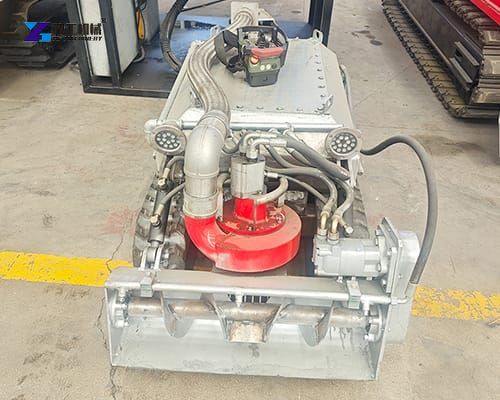
Design of the Tank Cleaning Machine
- Robust Design: The tank cleaning robot is built with corrosion-resistant materials for harsh environments.
- High-Pressure Rotating Jets: Deliver 360-degree coverage to effectively remove the toughest deposits.
- Intuitive Remote Control: Simple, tablet-based interface with real-time video feed from the onboard camera.
- Autonomous Operation Modes: Set a cleaning pattern and let the robot work independently, or use manual control for specific spots.
- Sludge Recovery System: Optional attachment for simultaneous cleaning and waste extraction.
- Real-Time Monitoring: Track progress, pressure, and location data throughout the cleaning job.
Benefits of Using Tank Cleaning Equipment
- Enhanced Safety
Eliminates the need for human entry into potentially hazardous tanks, significantly reducing the risk of accidents and injuries. Protects workers from exposure to harmful chemicals and gases. - Increased Efficiency
Performs cleaning tasks faster and more thoroughly than traditional methods, reducing downtime and increasing productivity. Operates continuously without the need for breaks, ensuring consistent cleaning performance. - Cost Savings
Tank cleaning robot reduces labor costs by automating the cleaning process. Minimizes the need for expensive personal protective equipment and safety measures.
Extends the lifespan of tanks by preventing corrosion and damage caused by residues. - Environmental Sustainability
Reduces water and chemical usage through precise cleaning, minimizing waste and environmental impact. Ensures proper disposal of cleaning residues, adhering to environmental regulations.
Applications of Sludge Cleaning Robot
- Oil and Gas Industry
Cleans crude oil storage tanks, separating vessels, and other process equipment. Removes sludge and sediment, improving operational efficiency and safety. - Chemical Processing
Cleans reactors, mixers, and storage tanks used in chemical manufacturing. Ensures product purity and prevents cross-contamination. - Water Treatment
Cleans water storage tanks, sedimentation basins, and filtration systems. Ensures a clean and safe water supply for communities.
Choosing the Right Tank Cleaning Robot
Factors to Consider When Selecting an Underwater Dredging Robot
- Tank Size and Shape
Ensure the robot is compatible with the dimensions and configuration of your needs. - Cleaning Requirements
Determine the type and severity of residues to be cleaned and choose a robot with appropriate cleaning capabilities. - Ease of Use
Opt for a robot with a user-friendly interface and intuitive controls for simple operation.