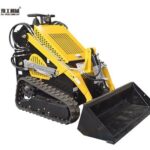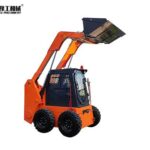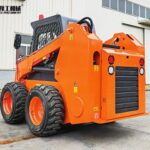
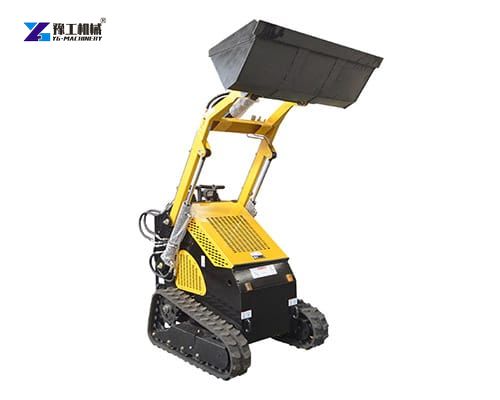
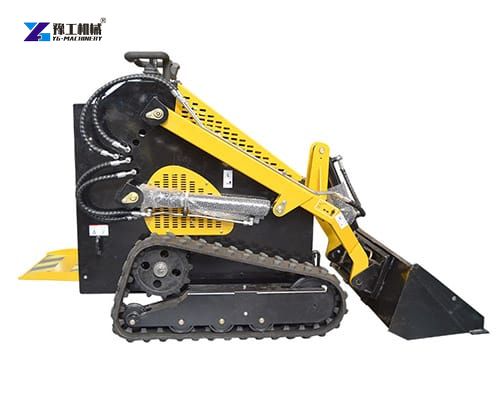
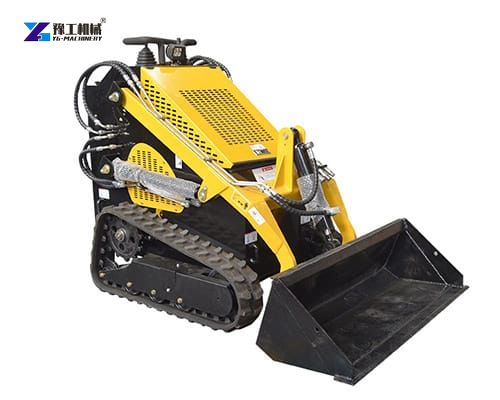
Mini track skid steer is a compact loader that moves on rubber tracks instead of wheels. Compared to larger skid steer loaders, the mini version is designed for restricted environments where larger machines cannot operate efficiently. The track system distributes weight evenly across the ground, allowing the machine to travel on soft, muddy, or uneven terrain without causing significant surface damage. The defining feature of this equipment is its skid steering mechanism. The machine turns by varying the speed of the tracks on each side, allowing for tight turning radii and exceptional maneuverability. This makes it ideal for urban construction sites, residential landscaping projects, indoor demolition work, and agricultural operations where precision is essential.
Track Skid Steer Loader Features and Characteristics
- One of the most attractive features of a mini track skid steer is its compact size and strong lifting capability. Despite its smaller footprint, it can handle demanding tasks such as material handling, trenching, grading, and debris removal.
- The rubber track system enhances traction and stability, especially on slopes or loose soil. Compared to wheeled machines, tracked models offer better balance and reduced ground pressure. Many modern models also feature ergonomic controls, improved visibility, and vibration reduction systems, which enhance operator comfort during long working hours.
- Another important feature is attachment compatibility. Small track skid steers can support a wide range of attachments including buckets, augers, trenchers, grapples, forks, and soil conditioners. This flexibility allows one machine to perform multiple functions, reducing the need for additional equipment.
Wide Applications of Small Track Skid Steer
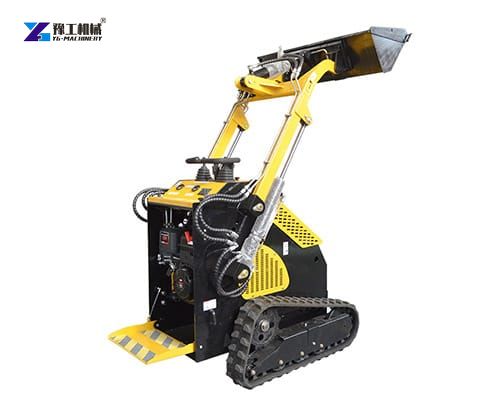
- In construction, it is frequently used for site preparation, material transport, grading, and light excavation. Its compact size allows it to enter narrow pathways and confined job sites where larger equipment cannot operate.
- In landscaping, the machine excels at soil leveling, tree planting, fence installation, and turf preparation. Its low ground pressure prevents excessive damage to finished surfaces, which is particularly important in residential environments.
- Agriculture also benefits from the mini track skid steer. Farmers use it for feed handling, barn cleaning, and light lifting tasks. The machine’s maneuverability inside barns and storage areas improves efficiency while minimizing physical labor.
- Property maintenance professionals rely on small track skid steers for snow removal, debris cleanup, and general maintenance tasks. The ability to switch attachments quickly increases operational flexibility throughout different seasons.
Track Skid Steer Structure and Main Components
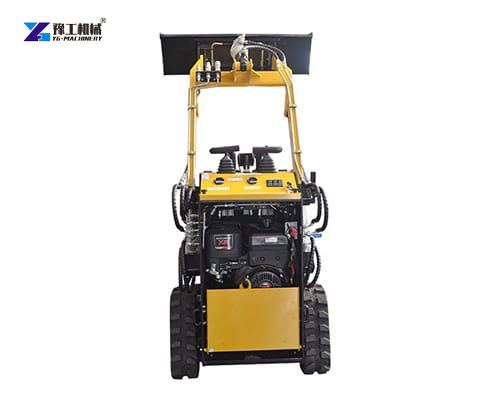
Understanding the structure of a mini track skid steer helps explain its performance and durability. The machine typically consists of several key components working together.
- The frame serves as the structural backbone, designed to withstand heavy loads and constant vibration. The track system includes rubber tracks, rollers, idlers, and drive motors that provide traction and movement.
- The hydraulic system is the heart of the machine. Hydraulic pumps and motors power the lifting arms, attachments, and drive mechanisms. This system enables smooth and precise control during operation.
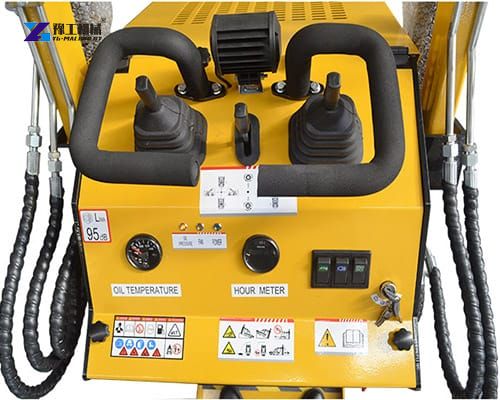
- The engine provides the primary power source, usually diesel-powered for higher torque and efficiency. The operator station includes control levers, safety systems, and monitoring displays that allow precise machine operation.
Advantages of Mini Track Skid Steer
Why choose a mini track skid steer over a full-sized skid steer or a dedicated tractor?
Low Ground Pressure: As mentioned, the tracks are a game-changer. While a wheeled skid steer might sink into soft mud or leave ruts in a wet lawn, the mini track loader floats on top. This extends the working season, allowing crews to get back to work sooner after a rainstorm.
Ease of Transport: You don’t need a heavy-duty CDL truck to move these. A standard pickup truck and a tandem-axle trailer are usually more than enough. This reduces overhead costs and makes logistics a breeze for small businesses.
Operator Comfort and Safety: The stand-on design is less fatiguing than climbing in and out of a cramped cab all day. Furthermore, if an emergency occurs, the operator can simply step off the back of the machine rather than being trapped inside a roll cage.
Increased Productivity: One person operating a mini track skid steer can often do the work of five people with shovels and wheelbarrows. The return on investment is often realized within the first year of ownership through labor savings alone.
Maintenance and Longevity
Daily Checks: Before every shift, check the engine oil, hydraulic fluid levels, and coolant. Inspect the tracks for tension. If the tracks are too loose, they can “de-track” during a turn, which is a major headache to fix in the field. If they are too tight, they will cause premature wear on the bearings and drive motors.
Greasing: These machines have many pivot points. Grease them daily. A small amount of grease is much cheaper than replacing a pin-and-bushing set.
Cleaning the Undercarriage: Mud, rocks, and debris can get trapped in the rollers. Over time, this abrasive material eats away at the steel components. At the end of every day, hosing out the tracks can significantly extend the life of your undercarriage.
Hydraulic Fluid Care: The hydraulic system is the lifeblood of the machine. Change the hydraulic filters and fluid according to the manufacturer’s intervals. Contaminated fluid is the number one killer of hydraulic pumps.