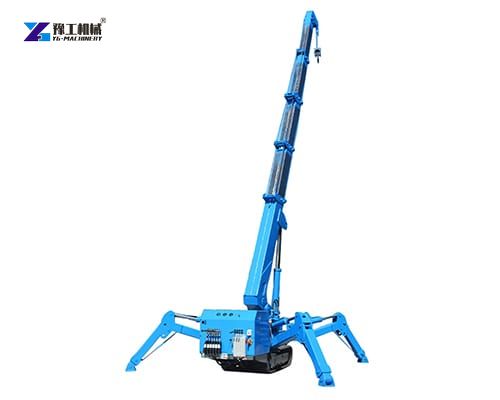
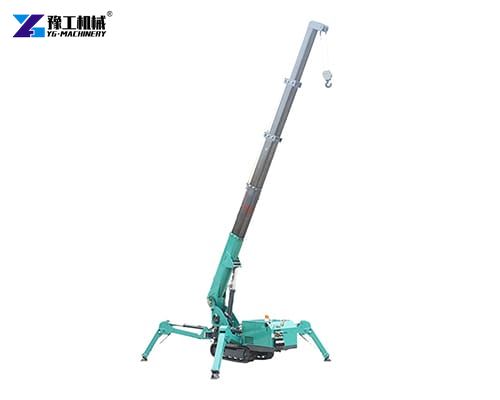
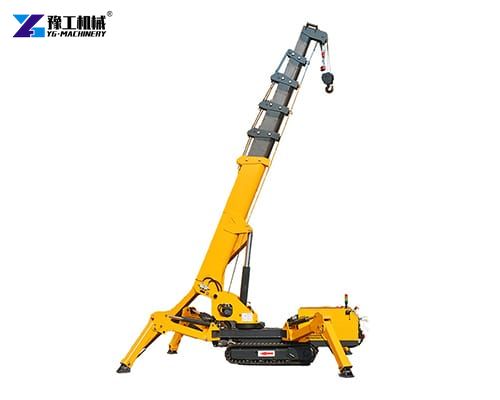
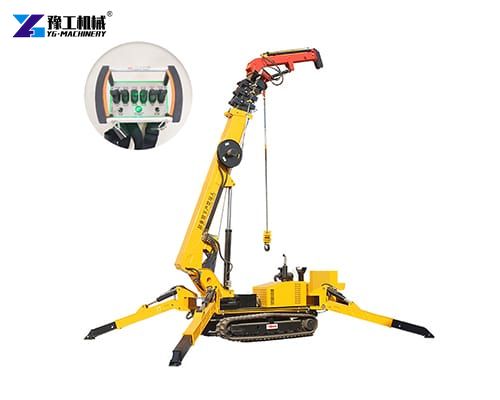
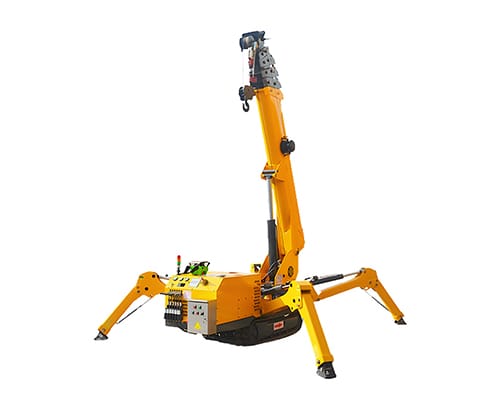
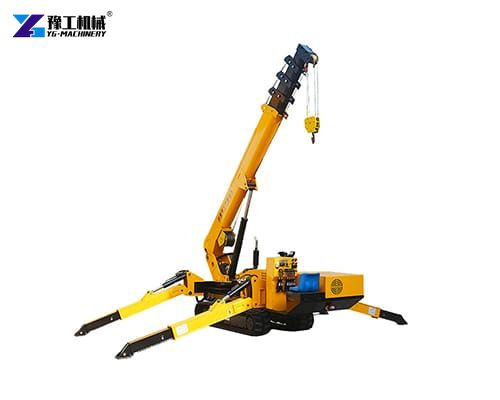
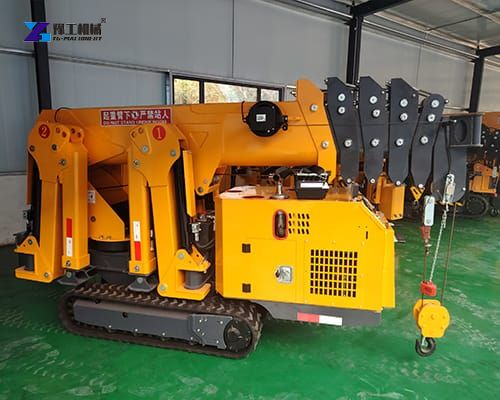
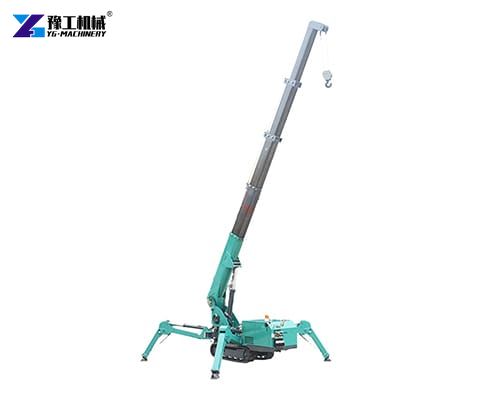
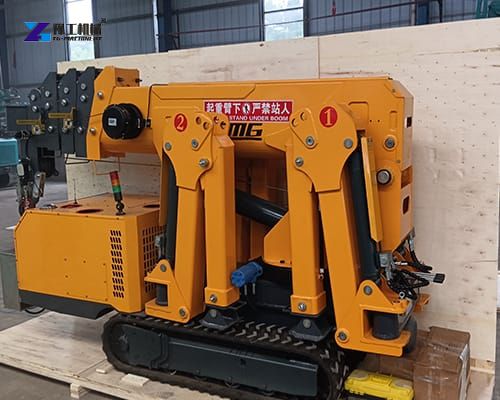
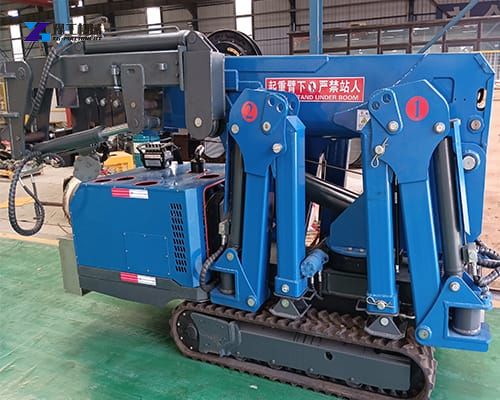
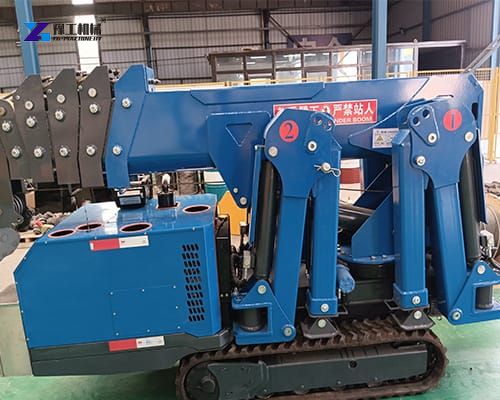
Crawler spider crane, also widely referred to as mini spider crawler crane or tracked spider crane, this piece of specialized equipment merges the terrain adaptability of a rubber crawler chassis with the stable multi-outrigger support system that gives it the spider-inspired name, delivering powerful lifting performance within an extremely condensed machine footprint. The spider crane is designed to fold down into narrow overall dimensions, enabling passage through standard building door frames, freight elevators, and interior corridors. Across global construction markets, contractors, maintenance teams, and specialty installation firms increasingly prioritize tracked spider crane fleets to boost project versatility, cut operational costs, and solve complex lifting challenges that would otherwise require expensive.
Ultra-Compact Design and Exceptional Maneuverability The most striking feature of a mini spider crane is its minimalist footprint. When stowed for transport, the outriggers fold tightly against the chassis, allowing the entire unit to navigate narrow corridors, standard passenger elevators, and tight entryways.
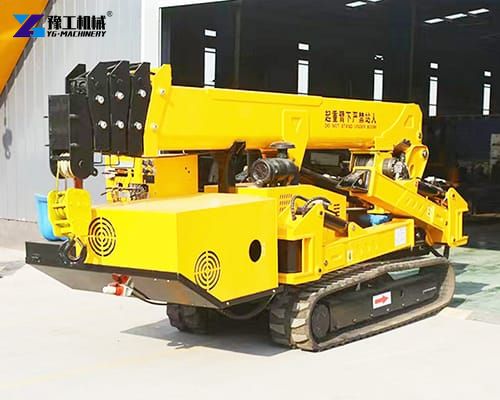
Remarkable Weight Distribution and Low Ground Pressure Unlike heavy truck cranes that exert massive concentrated loads on the ground, a mini crawler crane utilizes wide rubber tracks to distribute its weight evenly. When the outriggers are deployed, the load is spread across an even wider surface area. This extremely low ground pressure prevents damage to sensitive surfaces such as marble floors, raised platforms, rooftops, and soft outdoor soils.
Dual Power Source Options To cater to both indoor and outdoor applications, many advanced small spider cranes are equipped with dual-power systems. They typically feature a clean, quiet electric motor for indoor operations where emissions and noise pollution are strictly regulated, alongside a powerful diesel engine for maximum torque and endurance on outdoor construction sites.
Advanced Safety and Intelligent Control Systems The spider cranes are packed with sophisticated electronic safety mechanisms. These include automatic moment limiters, load-sensing systems, tilt alarms, outrigger interlock systems, and real-time digital displays. These integrated technologies prevent overloading, tipping, and structural failure, ensuring a highly secure working environment for both the operator and surrounding personnel.
Remote Control Capabilities Precision is paramount in tight-space lifting. Most crawler spider cranes come standard with high-fidelity wireless remote control units. This allows the operator to stand at a safe distance with an unobstructed view of the load, the outriggers, and the surrounding obstacles, significantly reducing blind spots and communication errors.
Glass Curtain Wall Installation One of the most common applications for spider cranes is the installation of large, heavy glass panels on high-rise buildings. Operating from either the ground level or from a finished upper floor inside the building, the crane can precisely lift, position, and hold glass glazing units in place while technicians secure them to the facade.
Indoor Facility Maintenance and Industrial Plant Overhauls Power plants, chemical factories, automotive assembly lines, and food processing facilities often require the replacement of heavy machinery, pumps, and motors located deep within existing structures. The compact nature of the spider crane allows it to drive down factory aisles, set up between production lines, and perform heavy lifts without requiring the removal of the factory roof or overhead infrastructure.
Aviation and Transport Hub Logistics Airports, railway stations, and subway terminals frequently feature sprawling architectural designs with high ceilings and extensive glass arrays. Spider cranes are widely used in these environments for routine maintenance, light fixture replacements, HVAC servicing, and architectural repairs, moving effortlessly over finished interior floors.
Historical Restoration and Monument Preservation Preserving ancient structures requires extreme care, low vibration, and minimal structural interference. The light footprint and precise control of the crawler spider crane allow restoration teams to lift stone masonry, sculptures, and structural timber without putting ancient foundations or delicate pavements at risk.
Steel Structure Erection and Residential Construction On crowded residential building sites where space for a large crane is unavailable, a spider crane can easily navigate muddy terrain, position itself close to the building footprint, and assist in erecting steel beams, trusses, and prefabricated wall panels.
Transportation and Position Positioning The crane is driven to the work site using its tracked undercarriage, operated via a walk-behind tethered control or a wireless remote. Because of its narrow width, it can easily negotiate tight turns and slopes.
Outrigger Deployment and Leveling Once the crane reaches the designated lifting position, the operator deploys the four spider outriggers. Each outrigger is adjusted independently until the crane chassis is perfectly level.
Load Calculation and Safety Interlocking Before any lifting begins, the crane’s integrated computer calculating system analyzes the outrigger configuration, the boom angle, and the expected radius.
Precision Lifting Execution With the safety systems cleared, the operator uses the wireless remote joystick to control the hydraulic winch, boom hoist, and telescope.
Choosing the right crawler spider crane requires careful consideration of several factors.
Lifting Capacity: Determine the maximum weight you need to lift and at what radius.
Machine Weight: Lighter machines are easier to transport but may have lower capacity. Heavier machines offer more stability but require larger trailers.
Indoor vs Outdoor Use: If you primarily work indoors, prioritize rubber tracks and low ground pressure. For outdoor use, steel tracks may be more durable.
Crawler Spider Crane for Lifting Projects
The small crawler crane has earned its place as one of the most innovative and practical lifting machines in construction and industry. Its unique spider leg design, compact footprint, and impressive capacity make it the go-to solution for any job where space is limited, but performance cannot be compromised. Whether you are a contractor looking to expand your fleet or a project manager seeking the right equipment for a tight site, the crawler spider crane delivers results that few other machines can match. Invest in the right model, maintain it properly, and you will have a lifting partner that pays for itself many times over.
We use cookies to ensure that we give you the best experience on our website. If you continue to use this site we will assume that you are happy with it.