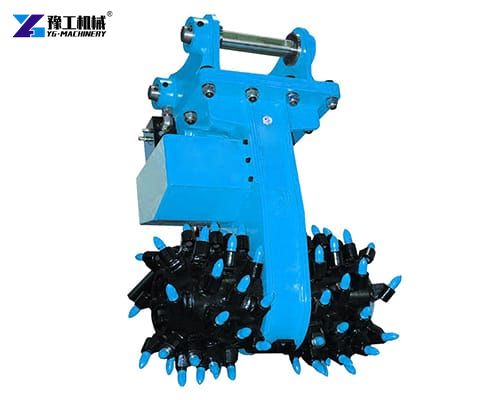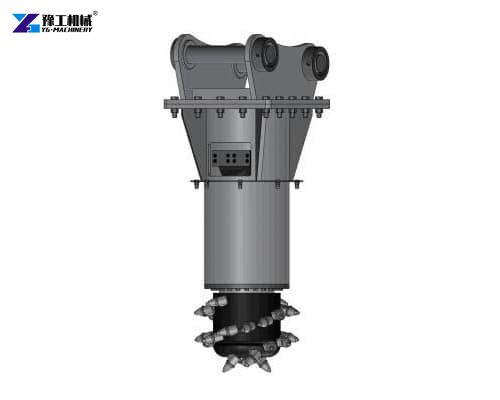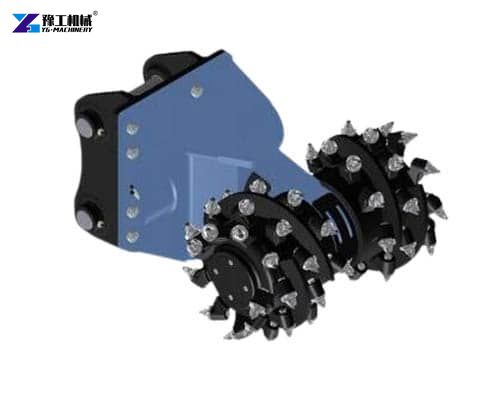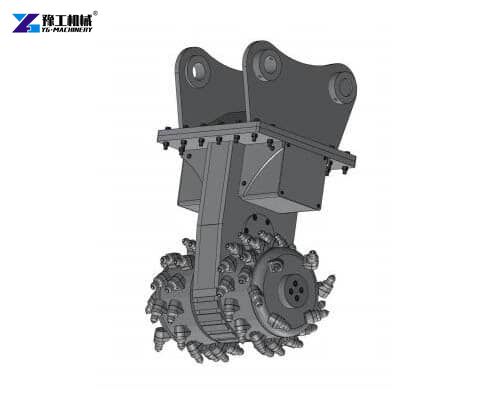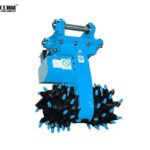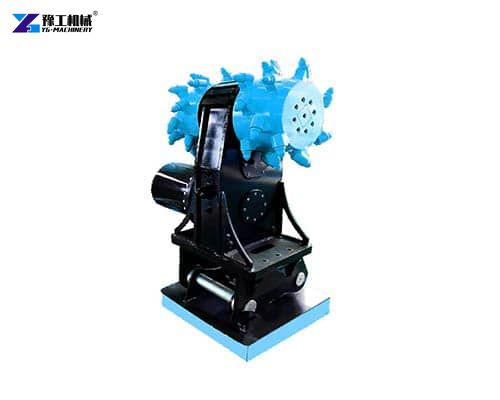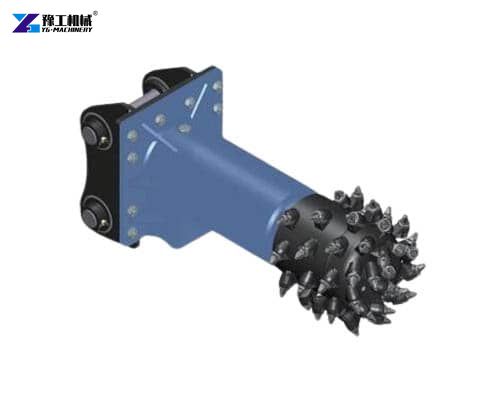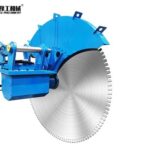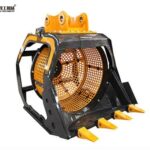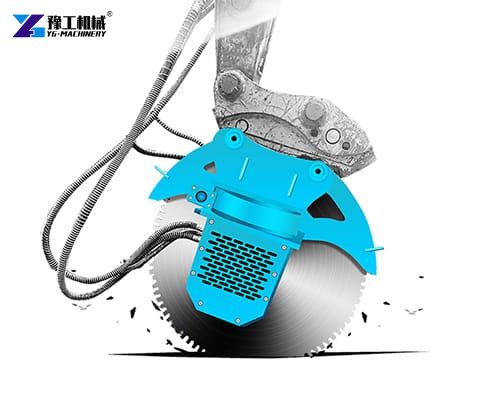
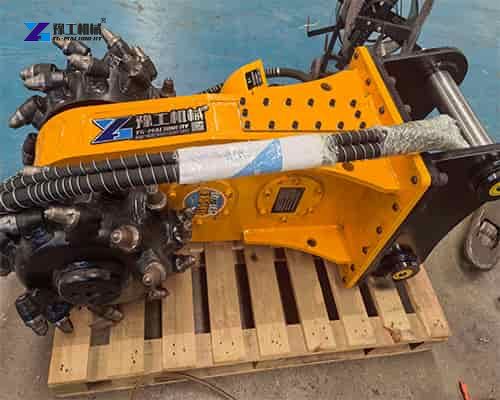
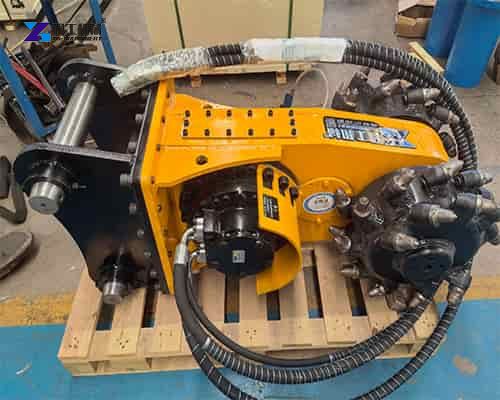
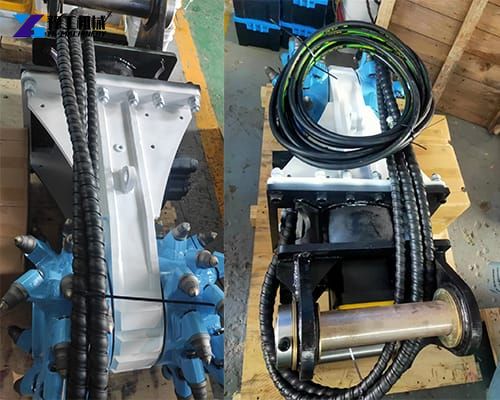
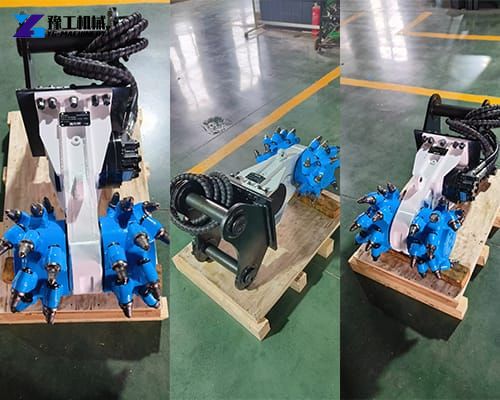
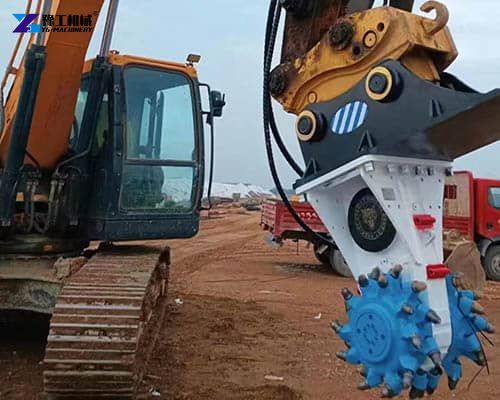
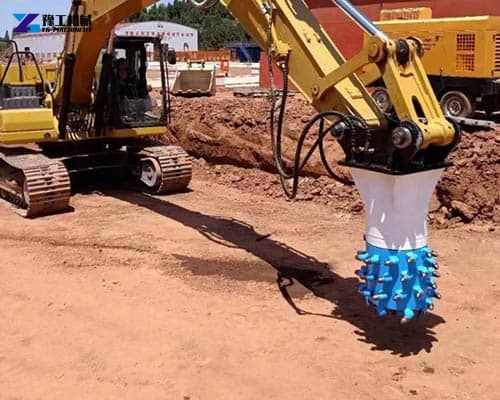
Excavator milling head is a hydraulic attachment designed to cut, grind, and remove hard or compact materials. Mounted on an excavator arm, it uses a rotating drum equipped with durable cutting bits to break down rock, concrete, asphalt, and other challenging surfaces. Unlike conventional excavation buckets or hydraulic breakers, this attachment removes material through continuous rotary cutting. This makes it suitable for projects that require controlled excavation, profile shaping, trenching, and surface preparation with reduced reliance on repeated impact. Our hydraulic milling heads are available in multiple configurations to accommodate excavators ranging from compact machines of 6 tons or less to heavy-duty equipment in the 40–50 ton class. Are you looking for an milling head for your excavator? Contact us to get more details.
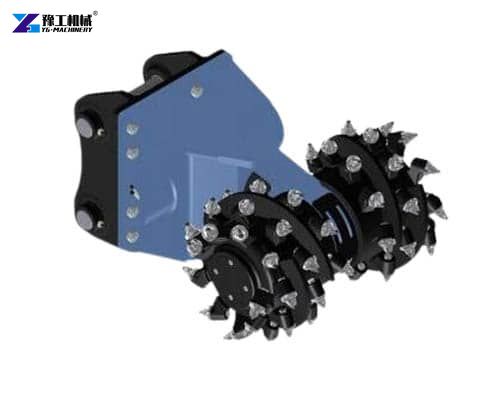
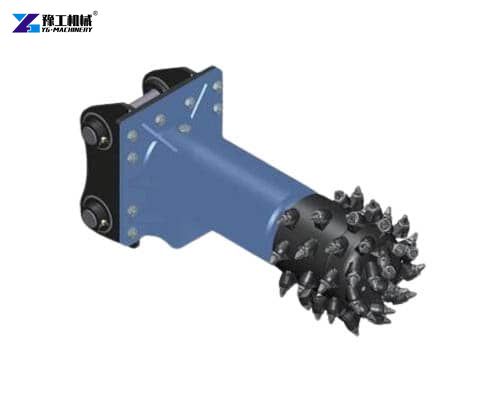
Specifications of the Excavator Milling Head
| Model | YGH-60 | YGH-150 | YGH-200 | YGH-350 | YGH-450 | Dual-motor type | YGZ-60 | YGZ-150 | YGZ-200 |
| Suitable excavator | ≤6T | 8-18T | 20-35T | 30-40T | 40-50T | 20-35T | ≤6T | 8-18T | 20-30T |
| Weight | 270kg | 650kg | 1000kg | 1550kg | 1800kg | 700kg | 230kg | 440kg | 800kg |
| Milling Width | 450mm | 680mm | 720mm | 950mm | 1050mm | 745mm | / | / | / |
| Milling Head Diameter | 370mm | 470mm | 510mm | 650mm | 650mm | 470mm | 390mm | 480mm | 550mm |
| Number of Cutter Bits | 44 | 44 | 44 | 44-66 | 44-66 | 44 | 20-24 | 20-24 | 24-26 |
| Recommended Rotational Speed | 0-150r/min | 0-100r/min | 0-85r/min | 0-75r/min | 0-75r/min | 75r/min | 0-100r/min | 0-100r/min | 0-85r/min |
| Recommended Flow Rate | 40-60L/min | 120L/min | 200L/min | 320L/min | 380L/min | 200L/min | 40L/min | 120L/min | 200L/min |
| Maximum pressure | 30Mpa | 30Mpa | 30Mpa | 30Mpa | 30Mpa | 30Mpa | 30Mpa | 30Mpa | 30Mpa |
| Maximum torque | 1500N·m | 6300N·m | 10600N·m | 23300N·m | 25000N·m | 10000N·m | 800N·m | 6300N·m | 12500N·m |
How Does the Hydraulic Milling Head Work?
A hydraulic milling head converts hydraulic power from an excavator into rotary cutting force.
The excavator supplies hydraulic oil through its auxiliary hydraulic circuit. This flow drives the hydraulic motor, which rotates the milling drum at the specified operating speed. As the drum turns, multiple carbide cutting bits engage with the working surface, progressively removing material and reducing it into smaller fragments.
The operator controls the excavator arm, attachment angle, and cutting movement to achieve the required depth and profile. Compared with impact-based demolition tools, the excavator milling head provides a continuous cutting action that can be useful when working near existing structures or when a more controlled excavation profile is required.
For optimal performance, the excavator’s hydraulic flow, operating pressure, attachment weight, and mounting configuration must be compatible with the selected model.
What Materials Can an Excavator Drum Cutter Process?
- Rock and compacted stone: Cutting exposed rock, weathered formations, and suitable hard ground during excavation.
- Concrete: Removing selected sections of concrete structures, surfaces, and foundations, subject to material strength and reinforcement conditions.
- Asphalt and road surfaces: Milling damaged pavement and preparing surfaces for resurfacing or reconstruction.
- Trenches and narrow excavation areas: Creating or refining excavation profiles where access and dimensional control are important.
- Slopes and uneven surfaces: Trimming rock faces, shaping embankments, and preparing irregular terrain.
- Construction and demolition debris: Processing suitable mineral-based materials under appropriate operating conditions.
Actual cutting performance depends on material hardness, abrasiveness, reinforcement, cutting depth, hydraulic output, and operator technique. Highly reinforced concrete and extremely hard rock may require a different tool configuration or a preliminary assessment.
Customize A Solution for Your Project
10 Advantages of Milling Head for Excavator
1. Multiple Models for Different Excavator Sizes
Matching attachment capacity to the carrier machine helps contractors avoid unnecessary machine loading and hydraulic incompatibility. Our model range covers excavators from 6 tons or less up to the 40–50 ton class. For example, the YGH-60 weighs 270 kg, while the YGH-450 weighs 1,800 kg. This range gives equipment owners flexibility when selecting attachments for compact construction machines, medium excavators, and larger earthmoving equipment.
2. Wide Cutting Options for Different Applications
The milling drum width determines the working area covered during each pass and influences access in confined spaces. Depending on the model, the cutting width ranges from 450 mm on the YGH-60 to 1,050 mm on the YGH-450. The YGH-200 provides a 720 mm milling width for applications requiring a balance between working coverage and machine size. Choosing the appropriate width can help align cutting operations with trench dimensions, surface conditions, and project requirements.
3. Durable Cutting Bits for Continuous Material Removal
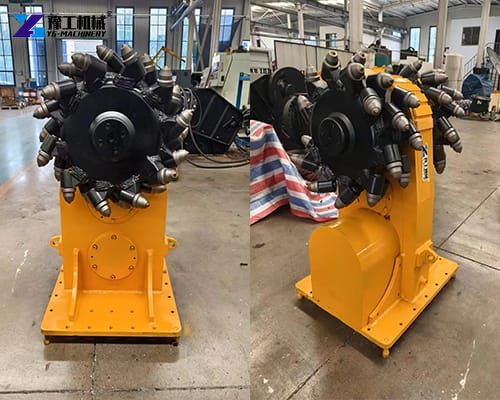
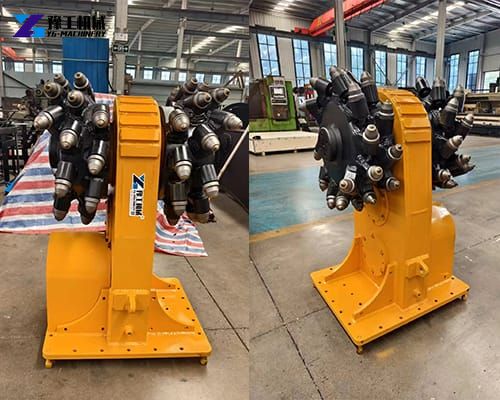
The cutting system is central to the attachment’s performance. Multiple cutting bits engage with the material as the drum rotates, distributing the cutting action across the working surface. Depending on the model, the drum uses 20–66 cutter bits. The YGH-350 excavator milling head and YGH-450 feature 44–66 bits, while the YGH-60 uses 44 bits. The number of bits is one factor in cutting performance; bit material, wear condition, spacing, and compatibility with the target material must also be considered.
4. Adjustable Cutting Performance Through Model Selection
Different materials and working conditions call for different rotational speeds. The available models have recommended rotational speeds ranging from 75 to 150 rpm. The YGH-60 operates at 0–150 rpm, while the YGH-350 and YGH-450 are rated at 0–75 rpm. Selecting a model with an appropriate operating range helps match the cutting process to the application. Actual speed should remain within the manufacturer’s specified operating limits.
5. Hydraulic Specifications for Equipment Matching
Hydraulic compatibility is essential for reliable operation. Insufficient flow may limit the attachment’s performance, while an unsuitable hydraulic setup can affect operating stability and component life. The listed models have a maximum pressure rating of 30 MPa, with recommended flow rates ranging from 40–60 L/min for the YGH-60 to 380 L/min for the YGH-450. Confirm the excavator’s available auxiliary flow, pressure, return-line requirements, and hydraulic connections.
6. High Torque for Demanding Cutting Operations
Torque contributes to the drum’s ability to maintain rotary cutting force under load. The YGH-60 is rated at 1,500 N·m, the YGH-200 at 10,600 N·m, and the YGH-450 at 25,000 N·m. The appropriate torque level depends on the material, cutting depth, machine output, and intended workload rather than attachment size alone.
7. Controlled Excavation and Profile Shaping
Rotary cutting allows operators to remove material progressively rather than relying exclusively on high-impact blows. This can be valuable for trench profiling, foundation trimming, rock slope shaping, and selective material removal. Careful control of the excavator arm and cutting depth helps achieve the required geometry. Results depend on ground conditions, operating technique, and the selected cutter configuration.
8. A Practical Option for Confined Work Areas
The excavator-mounted design combines the carrier machine’s reach with a compact cutting drum. This can be useful in narrow trenches, roadside construction, and areas where a larger standalone milling machine may be impractical. For restricted-access projects, compare drum diameter, cutting width, attachment weight, and the excavator’s operating envelope before selecting a model.
9. Standard and Dual-Motor Configurations
Different drive configurations provide additional choices for equipment matching and application requirements. The product range includes a dual-motor type weighing 700 kg, with a 745 mm milling width, a recommended flow rate of 200 L/min, and rated torque of 10,000 N·m. The most suitable configuration depends on the intended cutting workload, hydraulic system, and required operating characteristics. Confirm the drive arrangement and installation requirements.
10. Model Choices for Different Working Requirements
A broad model range makes it easier to specify an attachment around actual site conditions instead of choosing a single configuration for every job. For buyers comparing an excavator milling head, key selection factors include carrier weight, drum dimensions, hydraulic output, required cutting profile, and material characteristics. Evaluating these factors together helps reduce the risk of selecting an attachment that is too heavy, too wide, or hydraulically unsuitable for the excavator.
Wide Applications Across Construction Industries
Road Construction and Asphalt Milling
The excavator milling head can remove selected pavement layers, prepare damaged road surfaces, and support localized repair work. The appropriate drum width depends on the area to be treated and the required milling profile.
Rock Excavation and Quarry Work
For suitable rock formations, rotary cutting can support excavation, surface trimming, and material removal where a controlled cutting approach is preferred. Ground hardness and abrasiveness should be assessed before selecting the cutter configuration.
Tunnel and Underground Construction
In compatible underground projects, the attachment can be used for profile correction, localized rock removal, and excavation around designated work areas. Machine dimensions, ventilation requirements, site access, and ground stability must be considered.
Foundation and Trench Excavation
The attachment can help refine excavation boundaries, trim hard ground, and prepare surfaces for subsequent construction. Its usefulness depends on the required trench dimensions and the ability of the carrier machine to maintain precise control.
Demolition and Site Preparation
For suitable concrete and mineral-based materials, milling supports selective removal and surface preparation. Check reinforcement, material strength, and site-specific safety requirements before beginning work.
Which Model Fits Your Project?
- Compact excavators: The YGH-60 and YGZ-60 are options for machines in the 6-ton-and-under category. Compare their cutting widths and hydraulic requirements with your site conditions.
- Medium excavators: The YGH-150 and YGZ-150 suit the listed 8–18 ton class, while the YGH-200 and dual-motor type are designed for larger carriers.
- Heavy excavators: The YGH-350 and YGH-450 offer wider drums and higher recommended hydraulic flow for compatible machines in the 30–50 ton classes.
- Projects requiring a narrower cutting profile: Compare the YGZ series’ listed drum widths with the wider YGH configurations to determine which better fits the required excavation profile.
These weight classes and flow figures are selection references. Please confirm the specific excavator model, hydraulic output, mounting interface, and operating limits before purchase.
Select the Right Excavator Milling Head for Your Project
The right attachment can help contractors improve excavation control, handle challenging materials, and adapt their equipment to specialized cutting tasks. By matching drum dimensions, torque, hydraulic flow, and carrier capacity to the job, you can select a solution that supports practical performance across roadwork, rock excavation, trenching, and construction preparation.
If you are evaluating a milling head for excavator use, start with your excavator specifications and the material you need to process. Our model range provides multiple options to compare, from compact attachments to wider, heavy-duty configurations.
Contact our team with your excavator model, hydraulic flow, and intended application to discuss a suitable configuration and request a quotation.