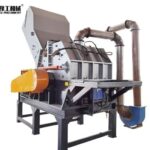
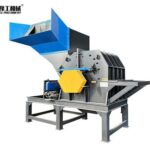
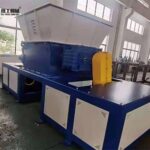
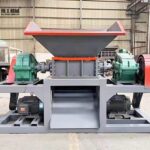
Choosing the right industrial shredder for scrap metal is a decision that affects throughput, uptime, and the bottom line. Here’s a concise guide to help you pick the model that fits your operation.
1) Define your material and throughput
Materials: Steel, aluminum, copper, mixed metals, or contaminated scrap? Different metals and contamination levels affect grinding requirements and wear.
Throughput: Estimate tons per hour you need during peak and average production. Plan for future growth.
Feed size: What’s the largest piece you’ll shred? Some shredders handle oversized bales, others require pre-cut material.
2) Understand shredder types and their strengths
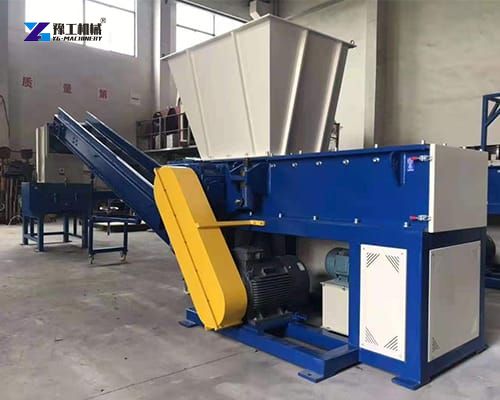
Single-shaft shredders: Great for uniform output, compact footprint, good for feeds with consistent shapes.
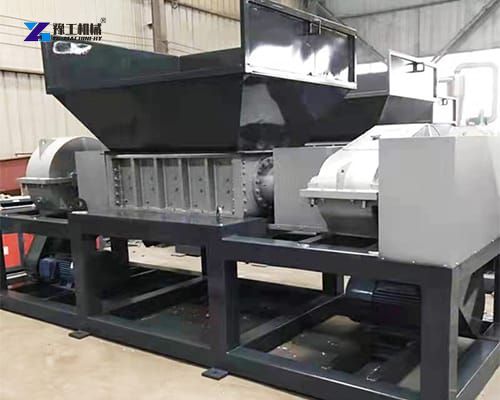
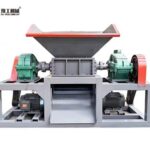
Two- or four-shaft shredders: Higher torque, better for tough metals and mixed scrap; excellent for eliminating tough bulks and producing fines.
3) Key performance criteria
Torque and motor power: Scraping metals is torque-intensive. Look for machines with motors sized to your feed rate and material hardness.
Cut geometry and shred size: Decide desired particle size (e.g., for briquetting, melting, or reducing volumes). Some machines offer adjustable screens or cutters.
Footprint and weight: Ensure you have adequate space, mounting, and service access.
4) Wear parts and durability
Rotor/cutter design: Interchangeable blades, staggered cutters, and hardened alloys extend life.
Wear resistance: Look for abrasion-resistant liners, drive components with robust bearings, and easily replaceable wear parts.
We use cookies to ensure that we give you the best experience on our website. If you continue to use this site we will assume that you are happy with it.