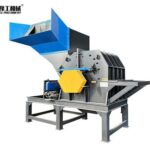
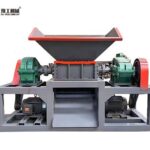
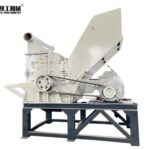
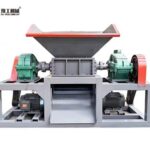
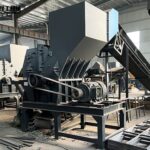
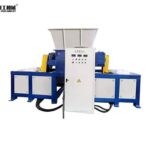
In the industrial recycling and metal processing sectors, selecting the right equipment is a critical decision that directly impacts operational efficiency, processing capacity, and overall profitability. Industrial metal shredder machine serves as the foundational equipment for volume reduction and material preparation. However, these machines vary significantly in engineering and application. The two primary configurations utilized in heavy-duty processing are single-shaft and double-shaft shredders. While both systems are engineered to reduce the size of metal scrap, they operate on completely different mechanical principles. Understanding these differences allows facilities to choose the most efficient system for their specific material streams and processing goals.
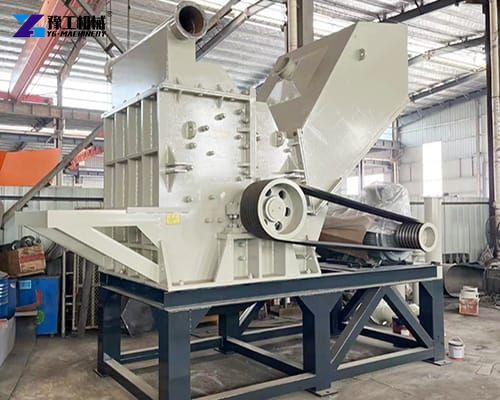
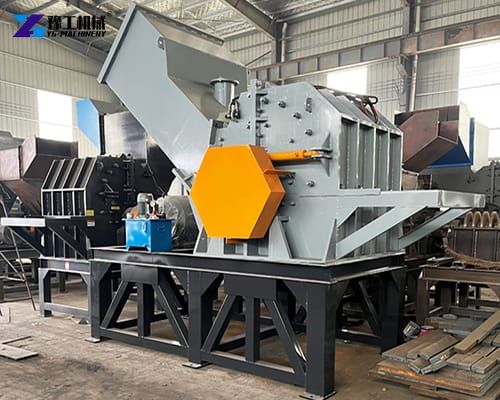
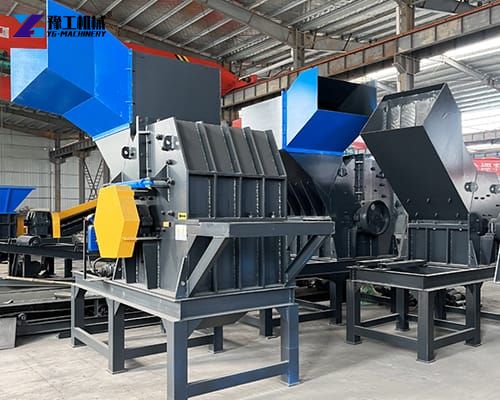
The single shaft metal shredder features a single rotating rotor equipped with specialized cutting blades or knives. This rotor operates at relatively high speeds compared to multi-shaft systems. The machine relies on a hydraulic ram or pusher system to operate efficiently. When raw metal is introduced into the hopper, the hydraulic ram pushes the material horizontally against the spinning rotor. The metal is cut between the moving blades on the rotor and a fixed counter-blade attached to the machine frame. Directly beneath the cutting assembly is a sizing screen. The material is continuously shredded inside the chamber until it is small enough to pass through the screen perforations, ensuring an exceptionally uniform output size.
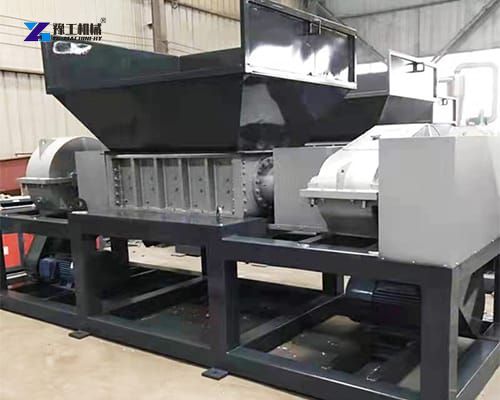
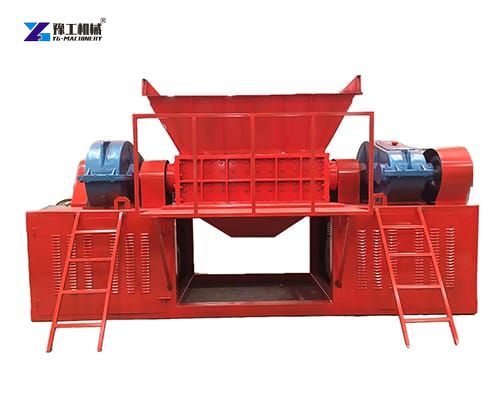
The double shaft industrial metal shredder machine, often called a dual-shaft or twin-shaft shredder, utilizes two parallel shafts lined with heavy-duty cutting disks. These two shafts counter-rotate inward at a low speed but with extremely high torque. Unlike single-shaft machines, double-shaft shredders do not require a hydraulic pusher system. The hooks on the counter-rotating disks automatically grab the bulk material and pull it down through the center of the cutting zone. The metal is subjected to intensive shearing and tearing forces as it passes between the interlocking disks. Additionally, these machines typically operate without a sizing screen underneath, allowing the shredded material to drop freely onto a discharge conveyor immediately after passing through the shafts.
Single-shaft industrial metal shredder machine excel when processing lighter gauges of metal, uniform production scrap, or materials that require strict size separation for downstream processing. Common applications include:
Aluminum extrusions, profiles, and window frames
Copper wiring, cables, and electronic waste (e-waste)
Light sheet metal stampings and manufacturing scrap
Double shaft shredders are built to handle heavy, bulky, and unsorted mixed metal scrap. Their high-torque, low-speed operation makes them highly resilient against massive objects. Common applications include:
Steel drums, oil barrels, and metal containers
End-of-life vehicle (ELV) components and light car bodies
We use cookies to ensure that we give you the best experience on our website. If you continue to use this site we will assume that you are happy with it.