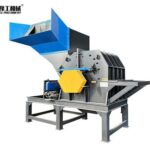
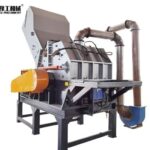
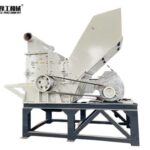
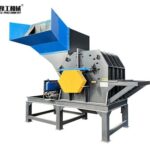
Industrial Metal Shredder Machine | 3-10cm Metal Broken Size
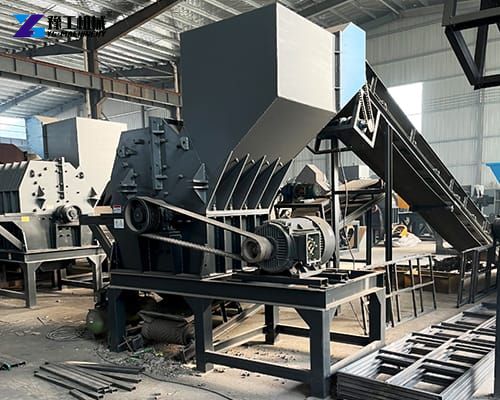
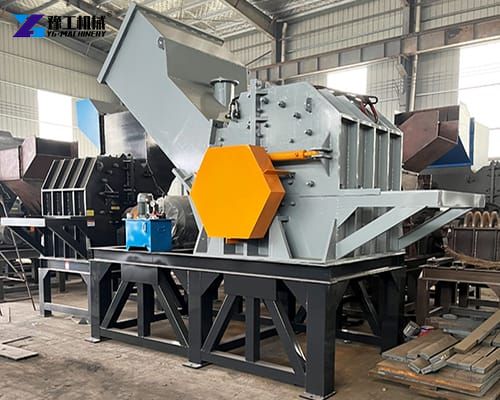
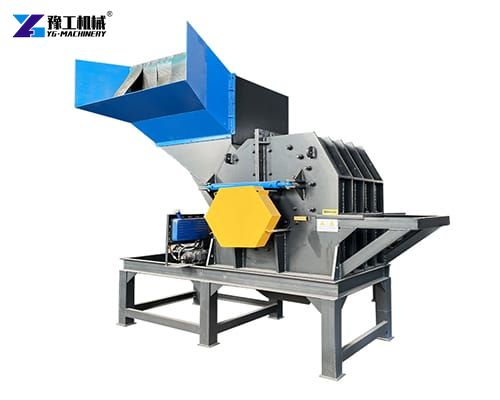
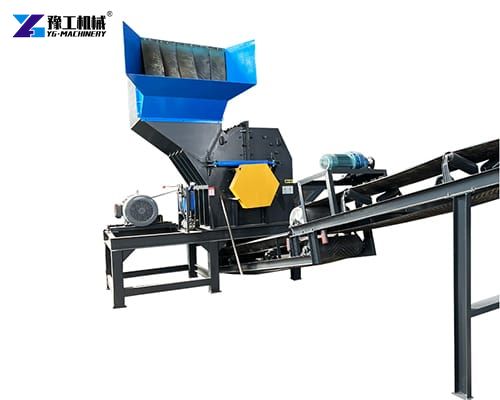
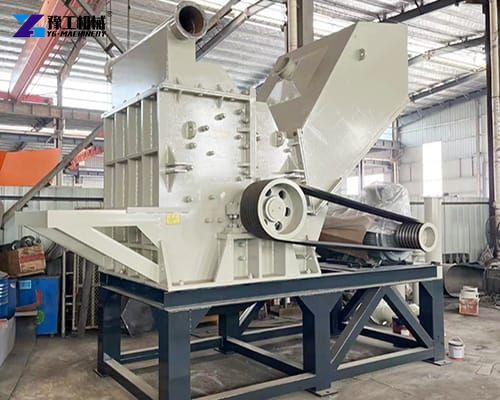
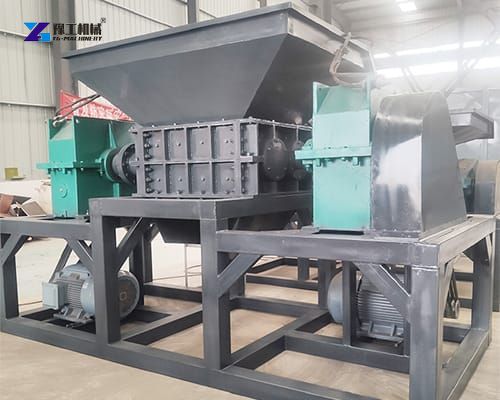
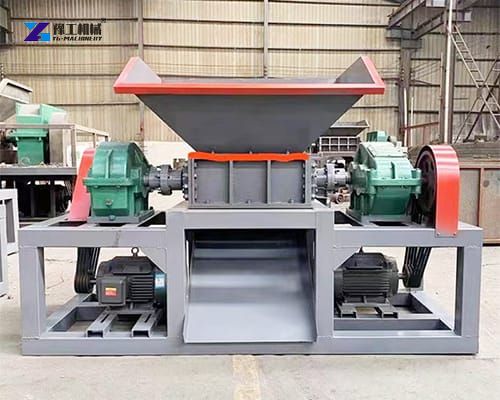
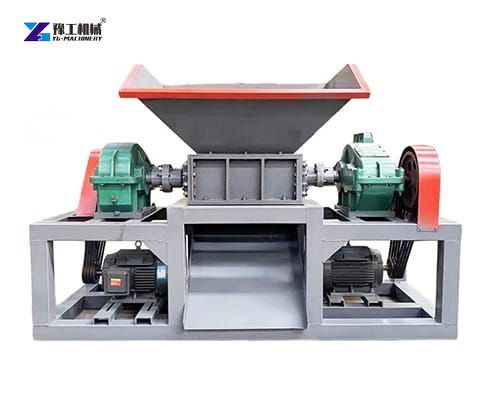
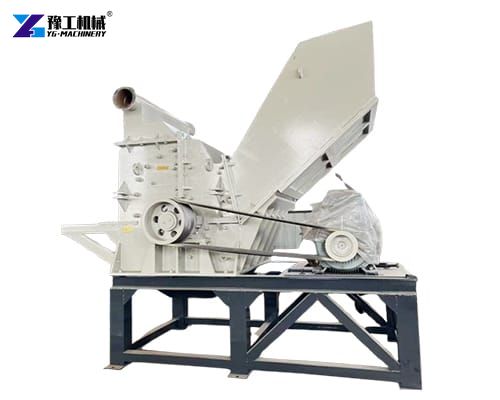
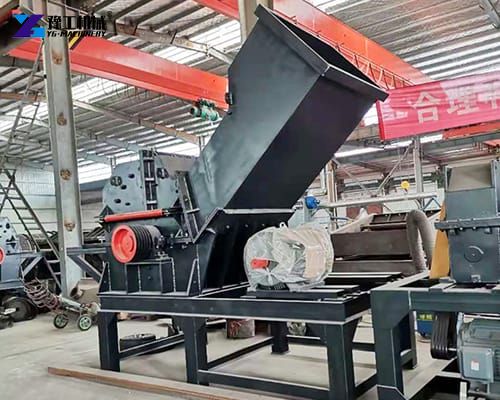
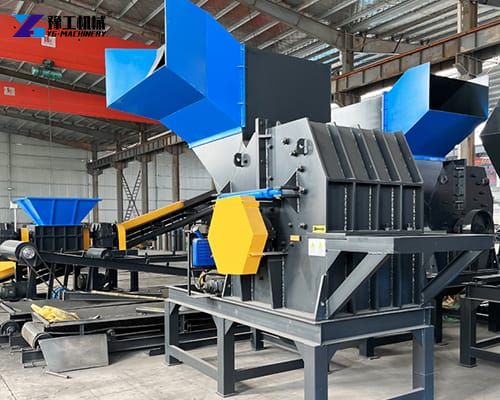
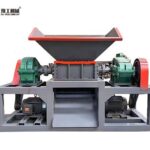
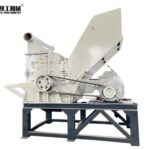
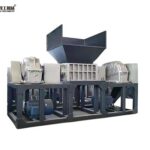
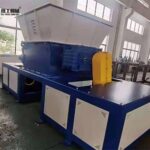
Industrial metal shredder machine, the equipment is engineered to reduce bulky, irregular scrap into uniform fragments that can be magnetically separated, chemically sorted, and ultimately remelted with minimal energy loss. Unlike simple crushers or shears, a true shredder employs multiple rotating shafts fitted with hardened cutting knives, operating at controlled speeds to tear, shear, and fracture materials. The result is a consistent output size that satisfies downstream furnace specifications and commands higher market prices. There are various models for selecting according to the raw material and shredding effect. If you are looking for this machine for crushing objects, please contact us and tell us your requirements so that we can recommend a suitable machine for your metal materials.
Every industrial metal shredder machine is defined by a handful of non-negotiable traits.
First is the cutting chamber geometry, which determines the maximum feed size and the material’s residence time.
Second is the rotor configuration—single-shaft, twin-shaft, or four-shaft—each offering distinct trade-offs between throughput.
Third is the drive system, typically an electric motor paired with a heavy-duty gearbox, delivering low-speed, high-torque output that prevents stalling on dense sections.
Fourth is the screening system, often an interchangeable grate or comb, which dictates final fragment dimensions.
Fifth is the automatic reverse function, which clears jams caused by unshreddable items.
Sixth is the bearing housing and sealing arrangement, critical for keeping abrasive dust out of moving parts.
The shredding process begins when scrap metal enters the feed hopper.
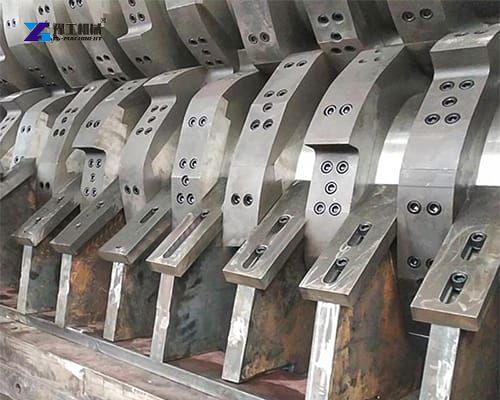
Gravity guides the material into the cutting chamber, where rotating shafts equipped with multiple cutting blades begin pulling the metal inward.
As the blades rotate, they grip the material and apply a combination of tearing, shearing, compressing, and cutting forces.
Large pieces gradually become smaller until they reach the desired particle size.
The shredded material exits through the discharge system, where it can proceed to magnetic separation, eddy current separation, density sorting, screening, or baling.
Because industrial shredders operate at relatively low rotational speeds but extremely high torque, they achieve excellent cutting performance while reducing dust generation, noise levels, and blade wear.
Modern control systems continuously monitor motor load. If excessive resistance occurs, the shafts automatically reverse before resuming normal operation, protecting both the machine and cutting tools.
This intelligent operating process allows industrial metal shredder machines to deliver reliable performance even when processing difficult and irregular metal materials.
Investing in an industrial metal recycling shredder offers multiple operational and financial benefits for recycling facilities and manufacturing plants.
Significant Volume Reduction Bulky scrap metal can occupy large storage areas. Shredding reduces material volume dramatically, allowing businesses to store more recyclable material within the same warehouse space.
Lower Transportation Costs Uniform shredded metal packs more efficiently into containers and trucks, reducing the number of shipments required and lowering fuel expenses.
Improved Furnace Efficiency Steel mills and foundries prefer consistent feed material. Shredded metal melts faster and more evenly than oversized scrap, improving energy efficiency during smelting.
Higher Recycling Value Well-shredded material is easier to separate into clean metal fractions, increasing the purity and market value of recycled products.
Enhanced Worker Safety Automated shredding reduces the need for manual cutting operations, lowering the risk of workplace injuries.
Environmental Sustainability Efficient recycling reduces landfill waste and decreases the demand for virgin metal extraction, supporting global sustainability goals.
The versatility of an industrial metal shredder machine makes it suitable for numerous industrial sectors.
Scrap metal recycling facilities use shredders to process mixed ferrous and non-ferrous metals before sorting and smelting.
Automotive dismantling companies rely on shredders to reduce car bodies, engine components, suspension parts, wheels, radiators, and transmission housings.
Manufacturing plants process production offcuts, defective components, metal chips, sheet metal waste, and machining residues.
Construction and demolition contractors recycle steel beams, reinforcing bars, pipes, structural frames, roofing materials, and demolished infrastructure.
Ship recycling facilities use industrial shredders to handle thick steel plates, marine equipment, pipes, anchors, and structural sections.
Electrical equipment recyclers recover valuable copper, aluminum, and steel from household appliances, transformers, switchgear, and industrial machinery.
Mining, oil, gas, railway, military, aerospace, and heavy engineering industries also utilize industrial shredders to reduce obsolete equipment and recover valuable metals.
We use cookies to ensure that we give you the best experience on our website. If you continue to use this site we will assume that you are happy with it.