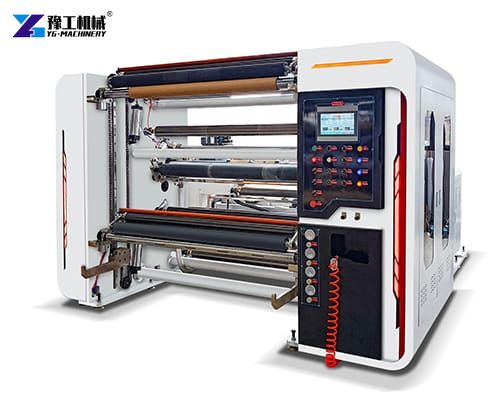
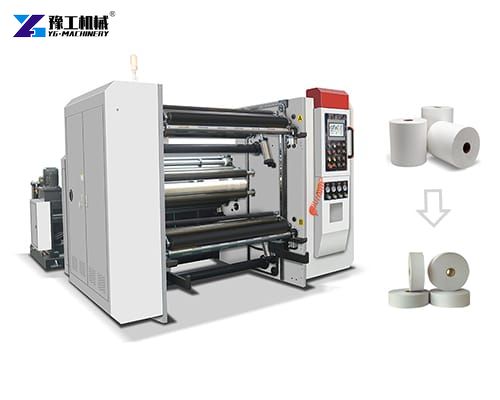
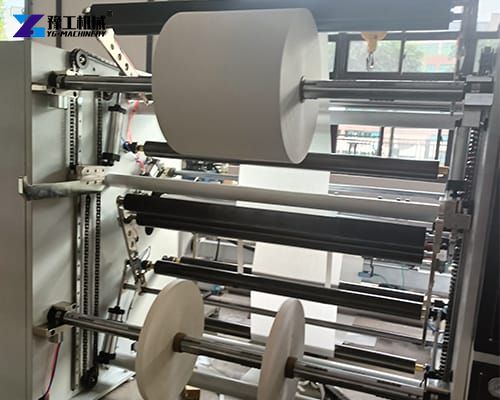
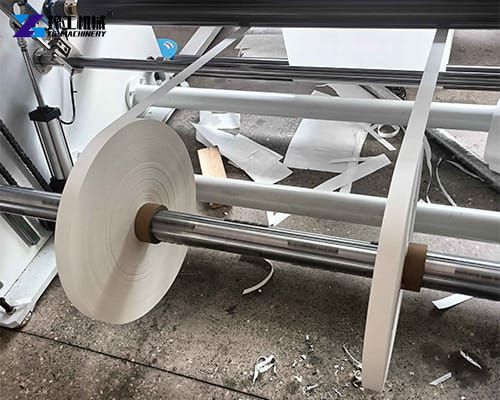
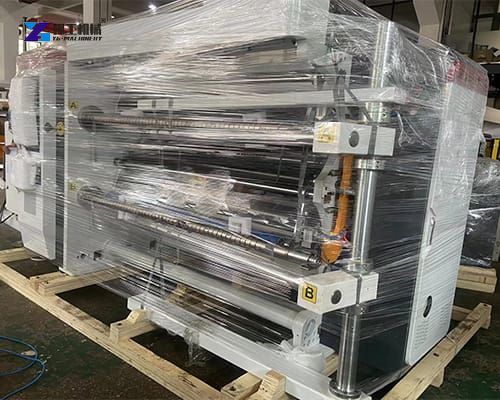
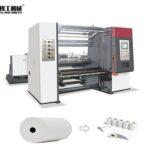
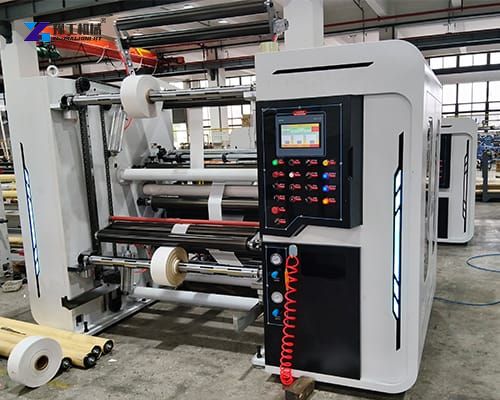
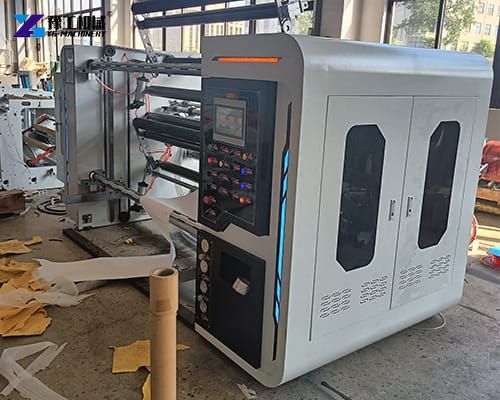
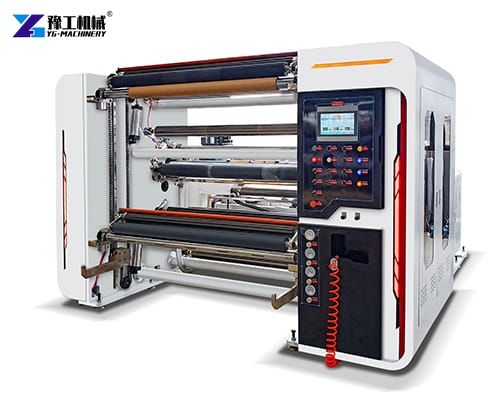
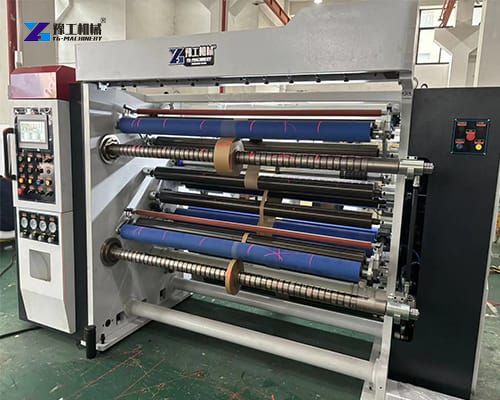
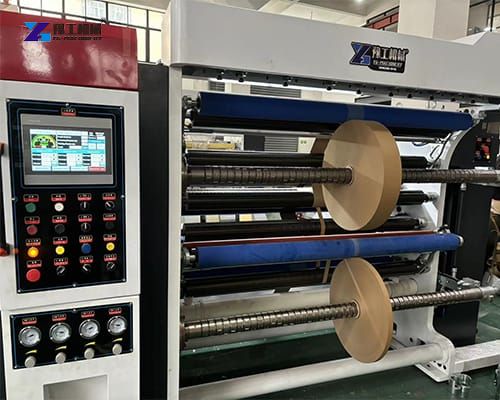
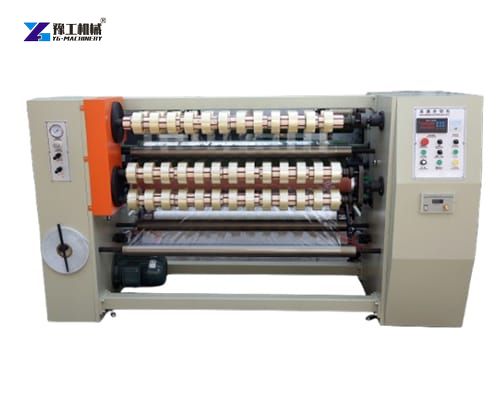
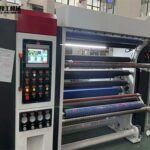
Paper slitting and rewinding machine is an advanced industrial equipment designed to cut large rolls of paper, film, or other flexible materials into smaller, precise widths while simultaneously rewinding them onto new cores. These machines play a crucial role in industries such as printing, packaging, paper manufacturing, and the processing of convertible materials. By automating the slitting and rewinding process, they enhance productivity, reduce labor costs, and ensure consistent product quality.
paper slitting and rewinding machine
paper roll slitting rewinding machine
Parameters of the Paper Slitting Rewinding Machine
High precision slitting system The accuracy of the slitting mechanism directly affects product quality and reduces waste.
Advanced tension control Good tension control ensures the web does not wrinkle, tear, or drift.
Durable unwinding and rewinding units Unwind stands are designed to hold large-diameter parent rolls. Rewinders ensure each final roll is wound evenly, with consistent density and perfect roll formation.
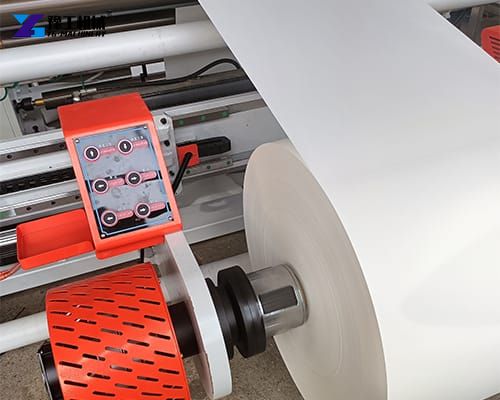
Automatic controls Many high-end models feature touchscreens, PLC systems, automatic blade positioning, fault detection, and programmable settings for different materials.
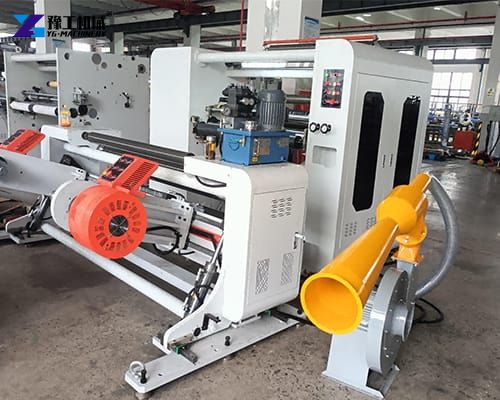
Unwind stand This holds the parent roll and typically features a pneumatic shaft, hydraulic lifting system, and braking unit to maintain tension.
Tension control units Located at the unwind, midsection, and rewinder, these units manage web force and ensure consistent handling.
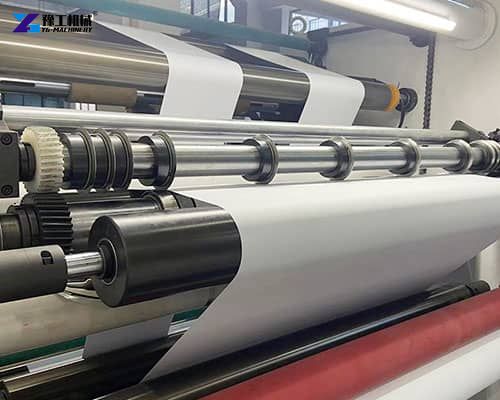
Slitting section This is where the cutting happens. Depending on the paper slitting and rewinding machine, it may use razor blades, shear knives, or crush cutting technology.
Rewinding section The slit strips of paper are rewound onto new cores. Rewind systems can be center-driven, surface-driven, or combination styles.
Control panel Operators control speed, tension, blade setup, alignment, and monitoring through a user-friendly interface.
Enhanced productivity The paper slitting and rewinding machine can convert large parent rolls into multiple finished rolls in a single cycle, significantly increasing output.
Improved quality control Consistent slitting accuracy results in smooth edges, uniform roll density, and stable material behavior during downstream processes.
Reduced waste Advanced slitting blades and tension systems minimize edge damage, wrinkles, cuts, and other defects that lead to scrap.
Cost efficiency Better yield, reduced labor, automation options, and fewer defective rolls lower overall production costs.
We use cookies to ensure that we give you the best experience on our website. If you continue to use this site we will assume that you are happy with it.