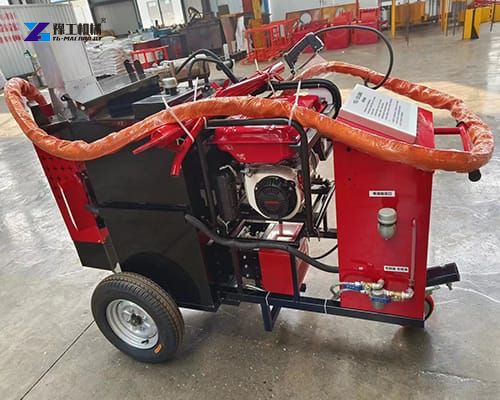
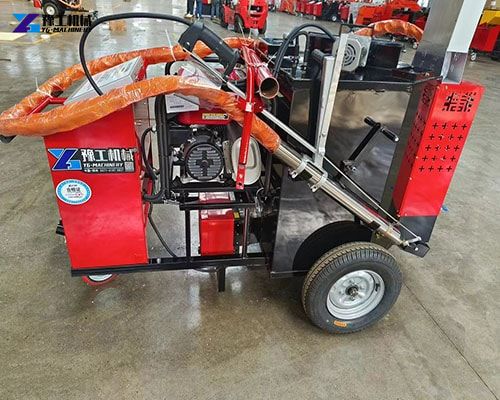
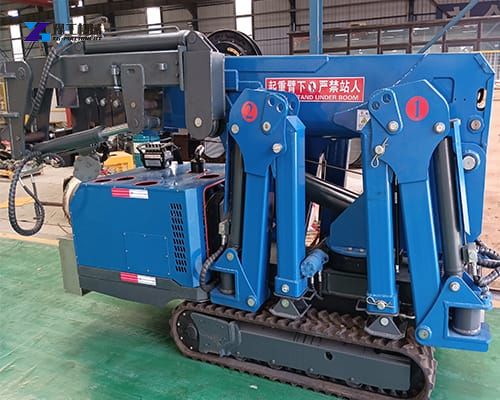
Crack filling machine for sale in Spain is designed to melt, pump, and dispense sealant into cracks in concrete or asphalt surfaces. Modern units combine a heated reservoir, timed dosing, and ergonomic controls to ensure consistent viscosity and precise application. Some models are portable for tight access, while others are larger trailer-mounted units for big jobs. Last month, we exported 1 set of the asphalt crack sealing machine to Spain and had a shipment.
crack filling machine for sale in Spain
Why Consider a Crack Filling Machine for Sale?
Infrastructure upgrades: Road rehabilitation and public works programs require reliable sealants and efficient equipment.
Climate considerations: Temperature variability means consistent heating and material flow are important to prevent premature curing or blockages.
Cost efficiency: A quality machine reduces manual labor, speeds up projects, and lowers long-term maintenance costs.
Parameters of the Crack Filling Machine for Sale in Spain
Model
YG-200L
Hopper Volume
200L
Heating time
30-40min
Temperature control
0-260℃
Filling speed
8-15L/min
Power configuration
Import Honda 2.8 kw generator
Walking mode
Hand push or pull
combustor
Imported REILLO 445T1 diesel burner from Italy, with high combustion efficiency, safety, and environmental protection.
Constant temperature control
SLA-5000 intelligent digital temperature controller, automatic constant temperature control
Electric heating tube
5m electric heating discharge hose
Hot melt kettle
It is equipped with a safety device with a heat-conducting oil jacket of a 200-liter hot-melt kettle, and is equipped with a safety valve, full cycle, indirect oil heating, and vertical mixing.
Considerations When Shopping for a Crack Filling Machine
1)Application needs Surface type: Do you primarily seal highways, municipal streets, or industrial floors? Some machines are optimized for large-volume highway work, others for smaller, detail-oriented patches.
2) Capacity and throughput Tank size and heat retention: Larger tanks reduce refills but require more power and space. Pump and nozzle configuration: More consistent flow and better control over crack width translate into cleaner patches.
3) Portability On-site mobility: If you work in tight urban networks, a portable unit or a compact trailer unit may be ideal.
4) Reliability Component quality: Reputable brands, robust welds, and accessible spare parts reduce downtime.
We use cookies to ensure that we give you the best experience on our website. If you continue to use this site we will assume that you are happy with it.