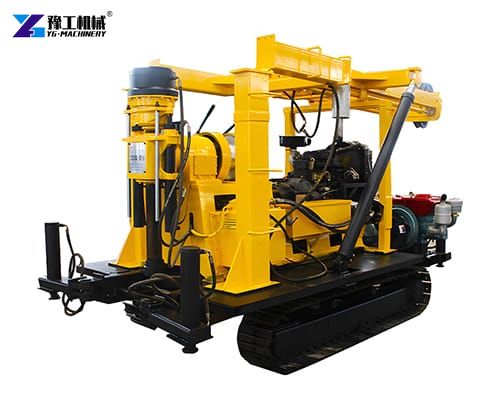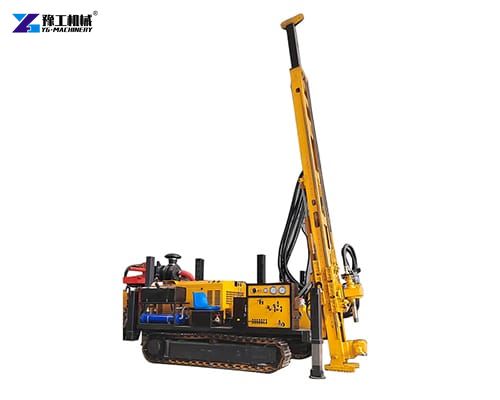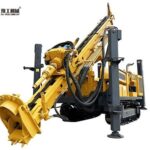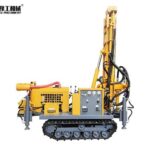
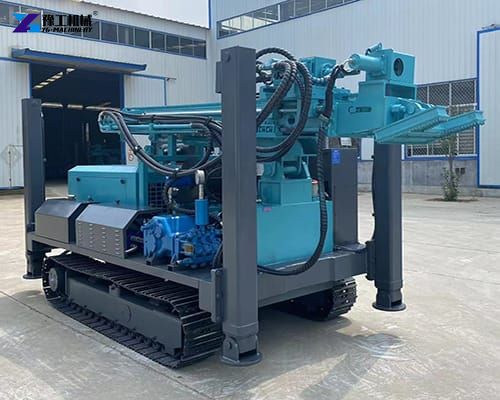
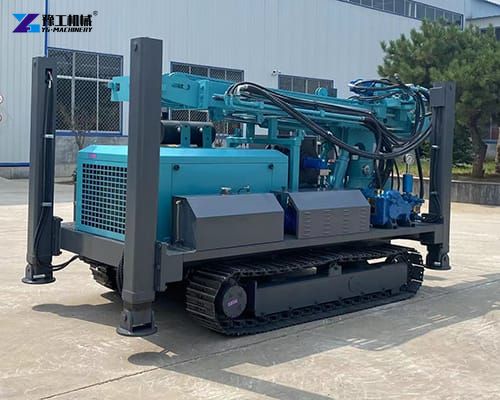
Hydraulic core drilling rig is a specialized machine engineered to extract cylindrical rock or soil samples, known as cores, from the earth’s crust. Core drilling meticulously cuts an annular pathway around a central cylinder of rock or soil, preserving its in-situ structure, stratigraphy, and mineral composition. Hydraulic systems utilize pressurized fluid to power drilling operations. This hydraulic approach offers superior control, reduced vibration, and enhanced safety, making it ideal for applications requiring high precision and minimal environmental disruption. These rigs are widely used in mining exploration, geological surveys, environmental monitoring, and construction projects where accurate subsurface data is critical.
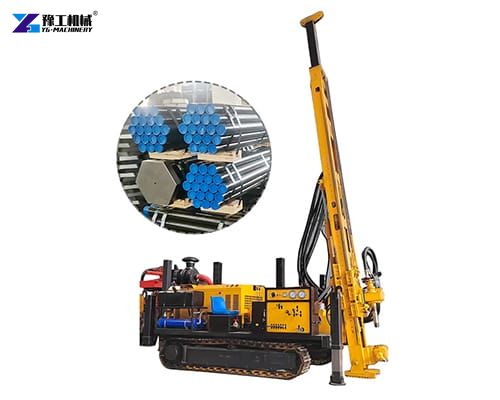

Hydraulic Core Drilling Rig Parameters
| Model | YG300 | YG400 | YG500 | YG600 | YG800 |
| The weight | 5.3T | 5.4T | 6.7T | 8.1T | 9.2T |
| The hole diameter | 60-110mm | 60-110mm | 60-110mm | 60-110mm | 60-110mm |
| Drilling depth | 300m | 400m | 500m | 600m | 800m |
| Mud pump model | BW90-3 | BW90-3 | BW90-3 | BW90-3 | BW150 |
| Drilling angle | 45°-90° | 45°-90° | 45°-90° | 45°-90° | 45°-90° |
| Engine power | 75KW | 85KW | 96KW | 118KW | 132KW |
| Gradeability | 30° | 30° | 30° | 30° | 30° |
| Drill pipe length | 1.5m | 1.5m | 1.5m | 1.5m | 1.5m |
| Lifting force | 10T | 10T | 10T | 12T | 14T |
| Slewing speed | 0-1200rpm | 0-1200rpm | 0-1200rpm | 0-1200rpm | 0-1200rpm |
| Overall dimension | 4500*1950*2150mm | 4500*1950*2150mm | 4600*2000*2350mm | 5100*2200*2350mm | 5150*2100*2150mm |
Features of Core Drilling Rig with Hydraulic Power
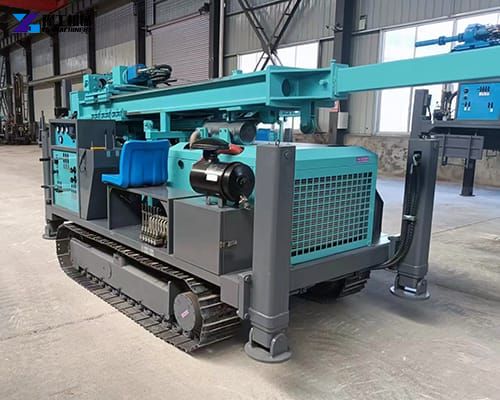
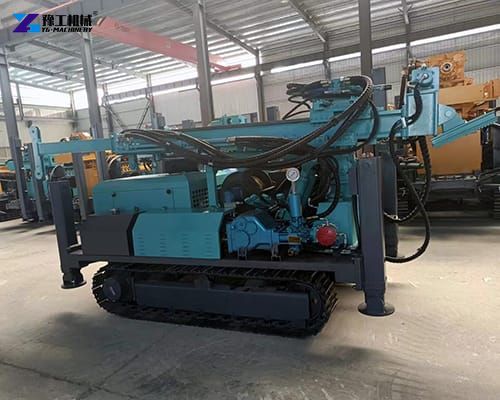
Hydraulic core drilling rig boasts several distinctive features that set them apart from other drilling systems. First, their hydraulic powertrain provides smooth, consistent torque and speed control, allowing operators to adjust drilling parameters in real-time for optimal performance. This adaptability is crucial when navigating varying geological formations. Second, these rigs incorporate advanced stabilization systems, including outriggers and hydraulic jacks, ensuring stability on uneven terrain and reducing the risk of equipment shift during operation. Additionally, hydraulic systems are inherently quieter than pneumatic or mechanical counterparts, minimizing noise pollution and operator fatigue.
Working Principles and Mechanisms
The operational principles of hydraulic core drilling rig revolves around the efficient conversion of hydraulic energy into mechanical motion. Hydraulic fluid, typically oil-based, is pressurized by a pump and directed through control valves to hydraulic motors and cylinders. The rotary head motor converts hydraulic pressure into rotational force, spinning the drill bit to cut through geological formations. Simultaneously, the feed system’s hydraulic cylinders extend or retract to control the vertical advancement or retraction of the drilling assembly. Pressure regulators maintain optimal fluid pressure to prevent system overload and ensure smooth operation. The drilling process involves continuous core retrieval through a specialized core barrel, which preserves the integrity of the sample during extraction.
Applications Across Industries
The versatility of hydraulic core drilling rigs makes them indispensable across multiple sectors.
- In mining and mineral exploration, they enable precise extraction of ore samples for analysis, helping geologists determine resource quality and quantity.
- Geotechnical engineers rely on these rigs for soil and rock core sampling to assess foundation stability for construction projects like bridges, dams, and high-rise buildings.
- Environmental agencies utilize hydraulic core drilling for groundwater monitoring, soil contamination assessment, and geothermal energy exploration.
- In the oil and gas industry, these rigs support preliminary exploration by extracting core samples to evaluate reservoir characteristics.
Hydraulic Core Drilling Rig Advantages
- Hydraulic systems allow fine adjustments to drilling speed, pressure, and feed force, resulting in smoother operations and higher-quality core samples.
- Efficiency is another key benefit. Hydraulic rigs can maintain consistent performance even in hard or fractured rock formations, reducing downtime and increasing overall drilling speed. Their energy transmission efficiency often leads to lower fuel consumption compared to less advanced systems.
- Safety and reliability are also improved. Hydraulic components are designed to handle high loads while minimizing sudden mechanical shocks. This reduces the risk of equipment failure and enhances operator safety. In addition, modern rigs are built with environmental considerations in mind, such as reduced oil leakage and lower noise emissions.
Selection Criteria and Buying Guide
Selecting the right hydraulic core drilling rig requires careful consideration of project requirements, technical specifications, and operational constraints. Key selection criteria include drilling depth capacity, core size compatibility, power requirements, mobility, and safety features. Project-specific factors such as geological conditions, site accessibility, and environmental regulations also play a crucial role. We should evaluate the rig’s hydraulic system efficiency, component durability, and ease of maintenance. Comparative analysis of different models involves assessing specifications like rotational speed range, feed force capacity, and weight.