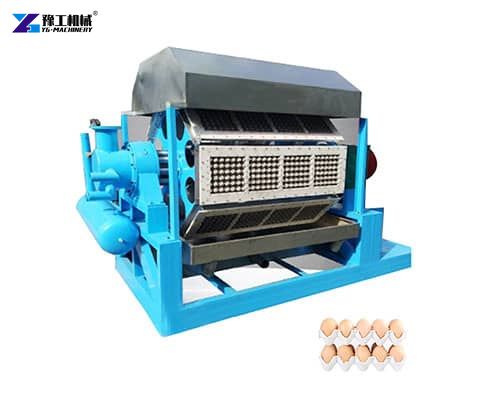
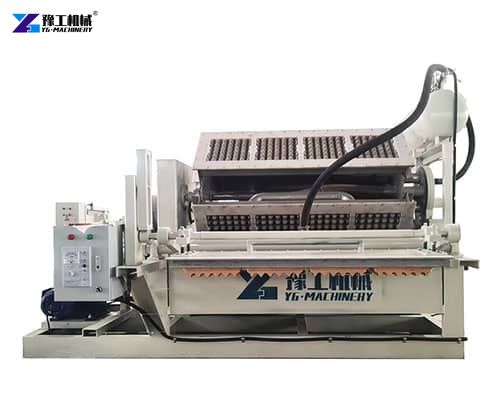
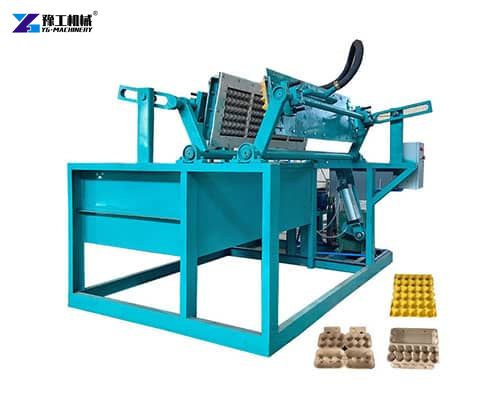
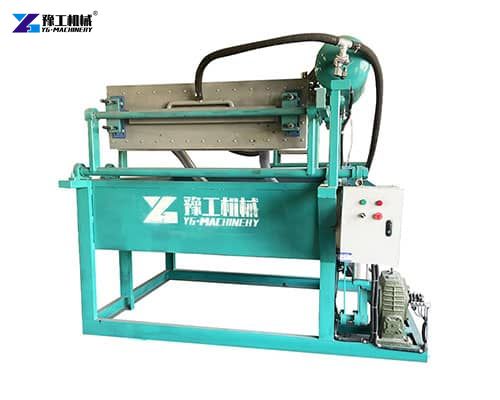
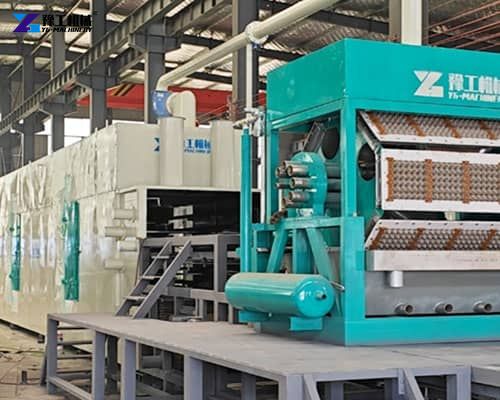
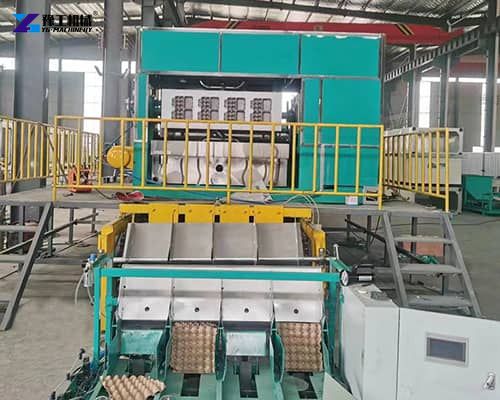
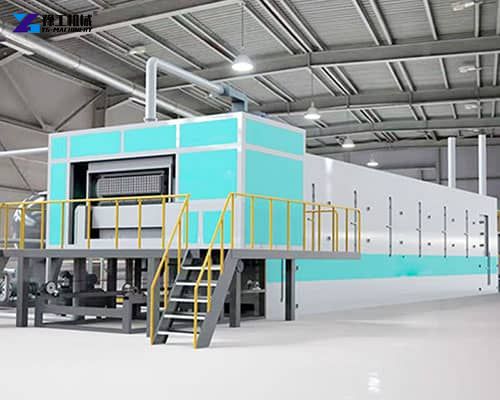
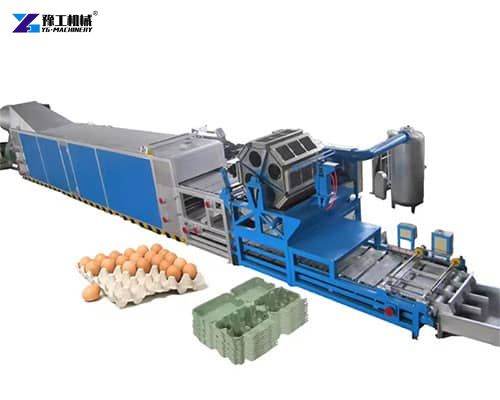
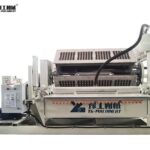
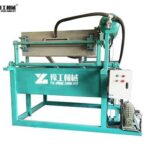
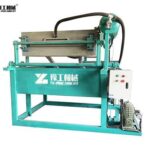
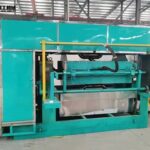
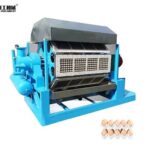
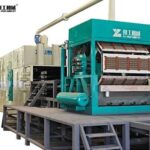
Egg tray machine is a type of pulp molding equipment designed to produce egg trays from waste paper. These trays are used to store, protect, and transport eggs in a safe and environmentally friendly manner. The machine processes waste paper and transforms it into molded pulp, which is then shaped into egg trays through a molding system and dried for commercial use. Egg tray making machines can also produce a wide range of molded pulp products such as fruit trays, cup holders, shoe trays, and electronic packaging, depending on the mold used.
Pulping System: Converts waste paper into a slurry by mixing it with water. Molding Unit: Shapes the pulp into egg trays using hydraulic or pneumatic molds. Drying System: Removes moisture from the trays via natural air drying, brick drying chambers, or metal dryers. Packaging Station: Automatically stacks and packages finished trays for distribution.
Pulping Waste paper is fed into a hydro-pulper, where it is broken down into a fibrous slurry. Water is added to create a consistency similar to soup. This step ensures the fibers are evenly distributed, forming a strong yet flexible material.
Forming The pulp is transferred to a molding machine, where it is pressed into tray-shaped molds. Vacuum pumps remove excess water, leaving a semi-dry egg tray.
Drying Freshly molded trays retain significant moisture. Drying methods include: a. Natural Drying: Suitable for small-scale operations, where trays are left in sunlight or open air. b. Brick Drying: A fuel-efficient method using a brick chamber heated by diesel, gas, or biomass. c. Metal Dryer: High-speed systems using conveyor belts and electric or gas heaters for rapid drying.
Egg Packaging The most traditional use, ideal for poultry farms and egg distributors.
Fruit Trays Molds can be customized to create trays for apples, mangoes, pears, and more.
Cup Holders Beverage cup holders used in cafes and fast-food chains can also be made.
Industrial Packaging Electronic items and glassware can be protected using custom pulp molded trays.
Seedling Trays for Agriculture Biodegradable trays for plant propagation and nursery purposes.
Advantages of Using Egg Tray Machines
Eco-Friendly Solution By using recycled paper, the egg tray manufacturing machine contributes to waste reduction and offers a sustainable alternative to plastic trays.
Cost-Effective Production Low-cost raw materials and automated processes reduce operational costs significantly.
High Customization Molds can be tailored to suit various packaging needs, offering product flexibility.
We use cookies to ensure that we give you the best experience on our website. If you continue to use this site we will assume that you are happy with it.