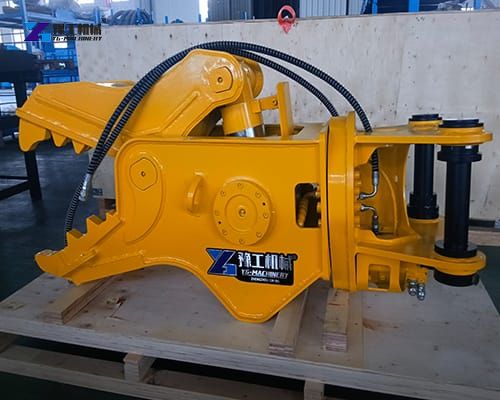
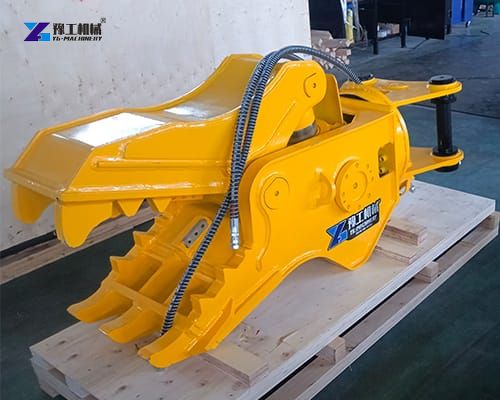
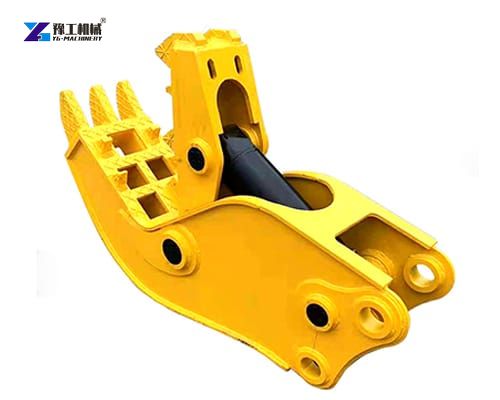
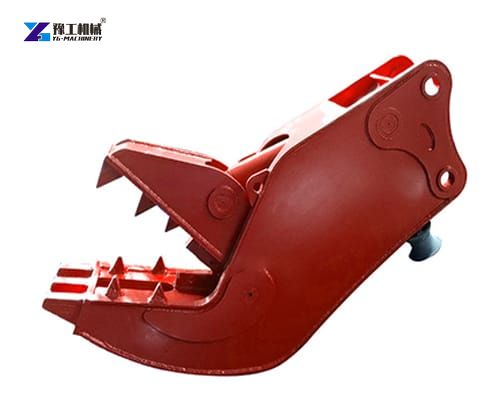
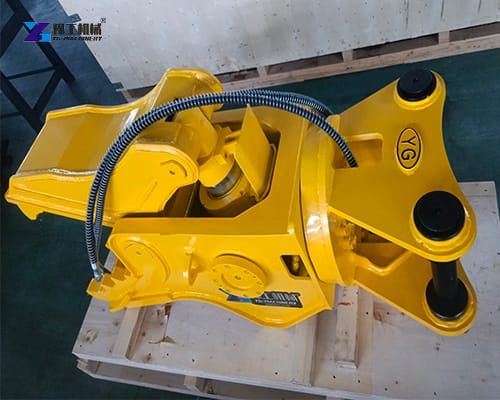
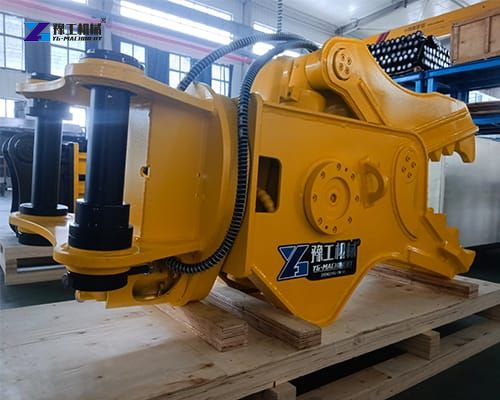
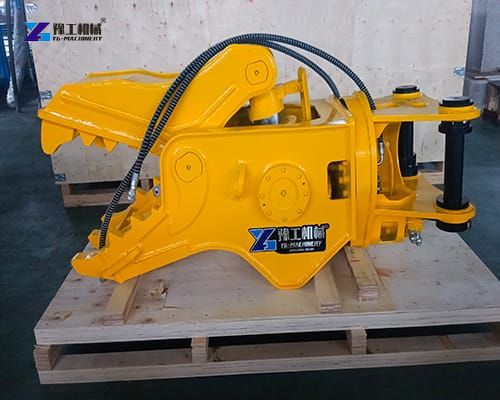
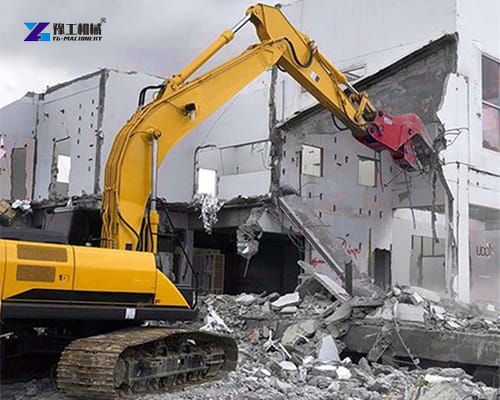
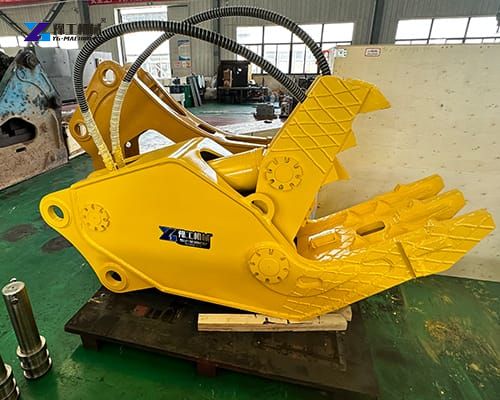
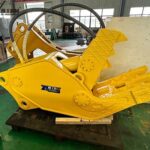
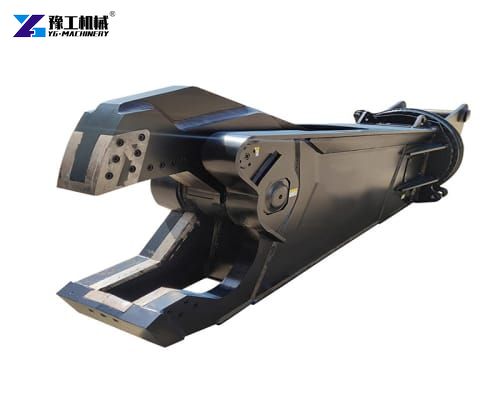
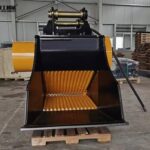
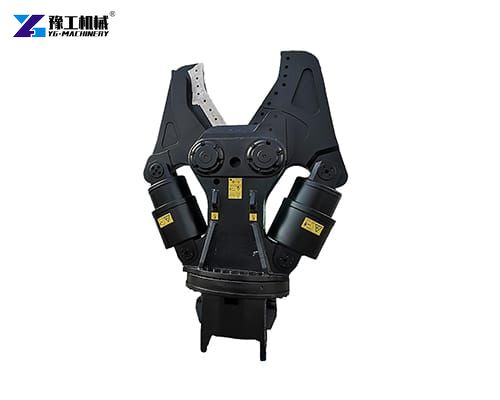
Excavator pulverizer attachment is designed to crush reinforced concrete while separating embedded steel reinforcement. The hydraulic pulverizer transforms the hydraulic energy supplied by the excavator into powerful mechanical crushing force. Unlike traditional breaker hammers that rely on repeated impact, the hydraulic concrete pulverizer applies continuous compression through two heavy-duty jaws. This controlled force fractures concrete while exposing internal reinforcement bars without creating excessive vibration. The operating process is straightforward yet highly efficient.
excavator pulverizer attachment
hydraulic concrete pulverizer for excavator
Technical Specifications of Excavator Pulverizer Attachment
The primary performance of an advanced excavator pulverizer attachment is defined by its ability to maintain high crushing forces without taxing the carrier excavator’s hydraulic system. This balance is achieved through optimization of the kinematic linkage and jaw geometry, which maximizes structural leverage throughout the entire closing stroke. The arrangement of the crushing teeth is designed to optimize material throughput. Industrial-grade models use a staggered tooth pattern where the teeth on the moving jaw match perfectly into the gaps of the fixed base jaw. This layout generates a localized bending and shearing stress profile within the concrete matrix, rather than simple straight compression. Because concrete exhibits significantly lower tensile and shear strength than pure compressive resistance, this design fractures the material using less total hydraulic energy, reducing fuel consumption across the excavator fleet.
As the excavator operator positions the attachment around a concrete structure, hydraulic cylinders drive the movable jaw toward the fixed jaw. The specially engineered jaw profile concentrates force on the concrete, gradually breaking it into manageable pieces. Reinforced steel bars remain largely intact, allowing them to be separated for recycling after the concrete has been crushed. The demolition pulverizers are equally effective during secondary processing. After large structural sections have been removed, operators can quickly reduce concrete into smaller fragments suitable for transportation or recycling without repeatedly changing equipment. Because the excavator pulverizer attachment works through controlled pressure rather than repeated impacts, wear on both the excavator and surrounding structures is also reduced, contributing to lower long-term maintenance expenses.
This crushing mechanism offers several important advantages over impact-based demolition equipment:
Lower vibration is transferred to the surrounding structures
Reduced noise during operation
Better control when working near occupied buildings
Higher recycling efficiency
Improved fuel utilization through continuous hydraulic force
Optimized Jaw Geometry for Higher Hourly Throughput
Jaw dimension design directly shapes how much material an operator can process per working hour, and professional excavator pulverizer attachment manufacturers refine jaw width, blade length, and maximum opening height to eliminate common workflow bottlenecks seen on generic attachments. A wider lower jaw base creates a larger material capture zone, reducing the number of positioning adjustments the operator needs to grab irregularly shaped waste chunks. Extended shear blade lengths distribute cutting force evenly across thick rebar bundles, preventing blade bending and uneven wear that plagues short. The maximum vertical opening height of the jaw assembly determines the maximum thickness of single-piece concrete the unit can handle without pre-breaking.
Urban Building Demolition and Structural Downsizing In high-density urban demolition projects, space limitations and environmental rules make on-site concrete crushing highly advantageous. Operators use the pulverizer to downsize concrete structures, floors, and support pillars directly within the building footprint.
Concrete Recycling Infrastructure and Aggregate Production For dedicated aggregate recycling yards, the concrete pulverizer attachment acts as an efficient pre-processing tool. By separating heavy steel rebar from structural concrete before it enters a stationary jaw or impact crusher, the attachment protects the main recycling plant from internal wire tangles and conveyor damage.
Bridge Deconstruction and Transportation Infrastructure Infrastructure projects like highway rebuilding and bridge deconstruction demand fast material processing to meet tight road-closure schedules. Excavator pulverizer attachments are used to crush thick bridge decks, support pillars, and concrete highway barriers quickly. The attachment’s high closing force allows it to peel concrete away from heavy internal structural steel girders, allowing rapid sorting of high-value structural steel and aggregate.
Concrete pulverizers are segmented into clear size tiers aligned with standard excavator weight classifications, creating a matching option for nearly every common carrier machine on the global construction market. Excavator pulverizer attachment variants pair seamlessly with 6–9 ton mini excavators for small-scale residential demolition, interior strip-out, and landscaping waste processing. Mid-range models suit 10–30 ton standard construction excavators, the most common carrier size for commercial building demolition, road repair, and concrete recycling yard operations. The heavy pulverizer units are engineered exclusively for 50–80 ton large demolition excavators used on bridge teardown, industrial plant decommissioning, and major infrastructure renovation projects. Every model in the product line uses universal mounting lug configurations compatible with standard quick-coupler systems.
More Excavator Attachments for Full-Service Job Sites
While pulverizer attachments handle primary crushing and rebar separation workflows, pairing them with complementary hydraulic accessories for demolition projects on-site.
Hydraulic Breaker Hammer: For pre-breaking extra-large, ultra-dense solid rock and thick mass concrete foundations before excavator pulverizer attachment processing, ideal for road and infrastructure teardown projects.
Excavator Grapple Bucket: For grabbing, sorting, and stockpiling crushed waste fragments after pulverizer processing, separating clean concrete aggregate from mixed metal and brick debris for targeted recycling.
Magnetic Scrap Lifter Attachment: Mounted to the same excavator arm to collect loose steel rebar and metal scrap separated by the pulverizer’s shear jaws, streamlining scrap metal recovery and resale operations at recycling yards.
Quick Coupler Connection System: Universal hydraulic quick couplers allow operators to swap between pulverizers, breakers, and grapples in under two minutes without manual pin removal, drastically cutting attachment changeover downtime on busy multi-task job sites.
We use cookies to ensure that we give you the best experience on our website. If you continue to use this site we will assume that you are happy with it.