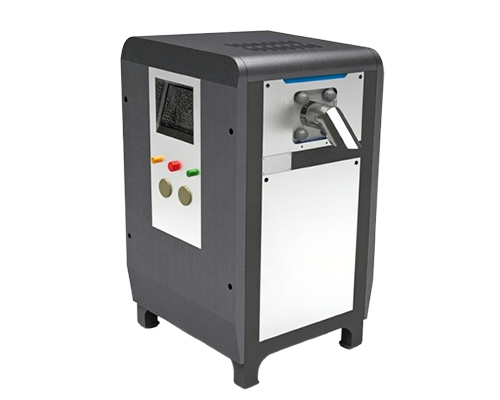
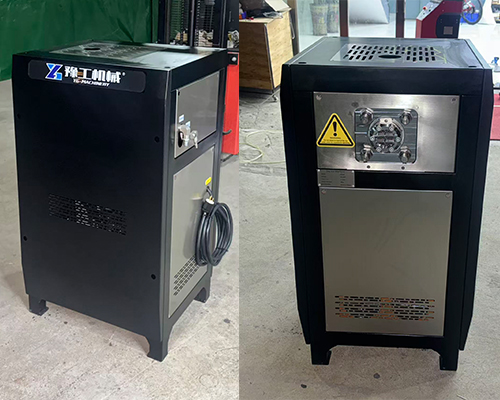
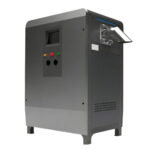
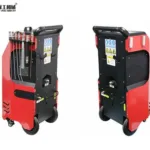
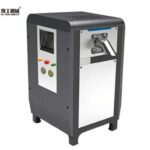
Dry ice pelletizer is a machine designed to transform liquid carbon dioxide into uniform pellets. These pellets can vary in size depending on the intended use, from small rice-sized particles to larger cylindrical forms. The pelletizer controls pressure, temperature, and extrusion to ensure consistent density and quality. Dry ice is the solid form of carbon dioxide. It sublimates directly from solid to gas without becoming liquid. This unique property makes dry ice ideal for applications that require intense cooling without moisture residue. The pelletizing process typically begins with liquid CO₂ stored under pressure. When released into the pelletizer, the pressure drop causes part of the CO₂ to flash into gas, cooling the remaining portion into snow-like solids. These solids are then compressed and extruded into pellets that are ready for immediate use or storage.
One of the most significant advantages of a dry ice pellet making machine is operational independence. Businesses no longer have to schedule deliveries or worry about supply chain disruptions. On site production ensures a steady and reliable source of dry ice pellets.
Another major benefit is cost efficiency. While the initial investment in a dry ice pellet machine may seem substantial, the long term savings are often considerable. Reduced transportation costs, lower material loss, and improved process efficiency all contribute to a strong return on investment.
Environmental considerations also play a role. Dry ice pellets produced by a dry ice pelletizer are made from recycled carbon dioxide captured from industrial processes. This means no new carbon dioxide is created specifically for dry ice production. When the dry ice sublimates, it simply returns the gas to the atmosphere where it originally came from.
One of the most well known uses of dry ice pellets is in dry ice blasting, a highly effective cleaning method. In this process, pellets produced by a dry ice pelletizer are accelerated in a stream of compressed air and directed at a surface. Upon impact, the pellets sublimate instantly, lifting dirt, grease, paint, and contaminants without damaging the underlying material. Industries such as automotive manufacturing, aerospace, power generation, and food processing rely on dry ice blasting for cleaning sensitive equipment. Because dry ice leaves no secondary waste, there is no need for water cleanup or chemical disposal. The dry ice pellet maker makes this process viable by ensuring a consistent supply of high-quality pellets.
Structure of the High-Performance Dry Ice Pellet Machine
The Hydraulic Power Unit The heart of the pelletizer is its hydraulic system. It must deliver consistent pressure to ensure the pellets reach the required density. Advanced models now feature variable frequency drives that allow the machine to adjust its output based on demand, significantly reducing energy consumption.
The Extrusion Head and Die Plates The die plate determines the size and shape of the pellets. High quality pelletizers feature quick change die plates, allowing operators to switch from three millimeter blasting pellets to nineteen millimeter transport nuggets in a matter of minutes. These plates are usually made from high grade stainless steel or specialized alloys to resist the extreme cold and friction.
Automated Control Systems Modern pelletizers are equipped with PLC systems and touchscreen interfaces. This allows for real time monitoring of liquid carbon dioxide consumption, oil temperature, and production rates. Some units even offer remote diagnostics, enabling technicians to troubleshoot issues from across the globe, ensuring minimal downtime.
Why the Dry Ice Pelletizer Matters in Modern Industry?
The importance of the dry ice pellet maker lies in its ability to produce dry ice on demand. Traditional dry ice supply chains often involve transportation delays, sublimation losses, and high costs. With an on-site pelletizer, companies can create fresh dry ice exactly when needed. This capability reduces waste, improves safety, and lowers long-term operational expenses. It also provides flexibility, allowing users to adjust pellet size and production volume in real time. In industries where timing and precision are critical, this level of control is invaluable.
We use cookies to ensure that we give you the best experience on our website. If you continue to use this site we will assume that you are happy with it.