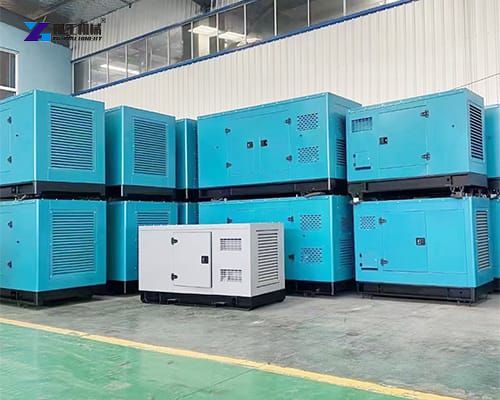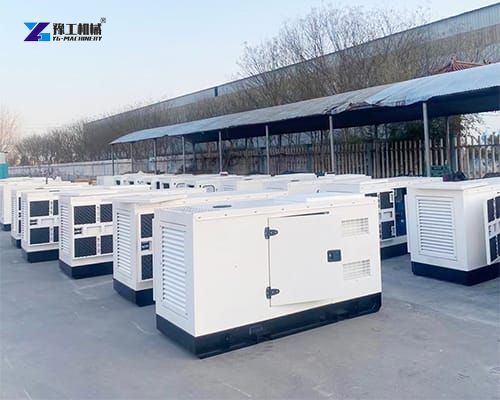
Genset diesel generator is a power generation system that combines a diesel engine with an electrical generator to produce electricity. The term genset is short for generator set, emphasizing that the system is an integrated unit rather than a standalone component. Diesel fuel is used to drive the engine, which converts mechanical energy into electrical energy through electromagnetic induction. Different from portable gasoline generators designed for short-term use, diesel generator sets are typically built for long operating hours, high loads, and demanding environments. This makes it suitable for both prime power and standby power applications.
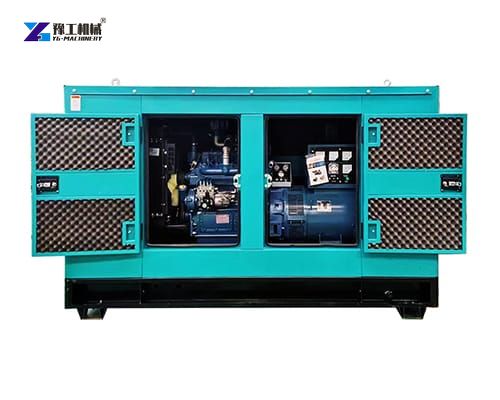
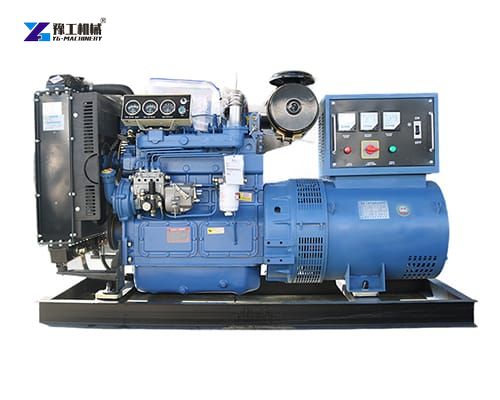
30KW Diesel Generator Set for Sale
| Rated power | 30kw |
| Rated output voltage | 400v/230v |
| Rated current | 54A |
| Rated frequency | 50hz |
| Rated speed | 1500rpm |
| Start control mode | electric |
| Size | 2590*1200*1800mm |
| Weight | 980 kg |
Main Features of the Genset Diesel Generator
- One of the defining characteristics of the diesel generator is its robust construction. Diesel engines are engineered to withstand high compression ratios, which directly contributes to their durability and efficiency.
- Another notable feature is fuel efficiency. Diesel engines generally consume less fuel per unit of electricity generated compared to gasoline alternatives, especially under continuous or heavy loads.
- Operational stability is also a major feature. A genset diesel generator can deliver consistent voltage and frequency, which is essential for sensitive equipment such as medical devices, servers, and industrial machinery.
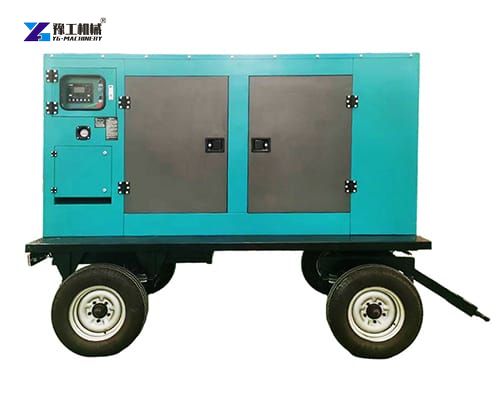
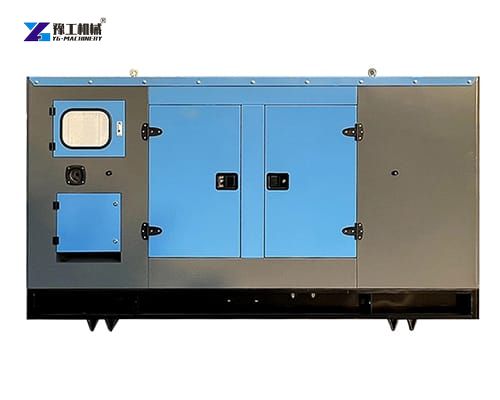
Wide Range of Applications in Different Industries
The versatility of the diesel genset allows it to be used across numerous industries and scenarios.
- In healthcare facilities, it acts as an emergency power source to ensure life-saving equipment continues operating during power outages.
- In construction and mining sites, it provides mobile and reliable power where grid access is unavailable or unstable.
- In data centers and telecommunications, it serves as a critical backup system that protects data integrity and network uptime.
- In agriculture, genset diesel generator systems support irrigation pumps, cold storage, and processing equipment in rural or off-grid locations.
- Residential and commercial buildings also rely on diesel generator sets for standby power, especially in regions prone to blackouts or extreme weather.
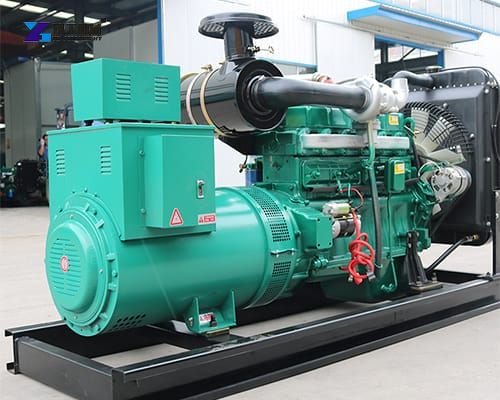
Genset Diesel Generator Structure
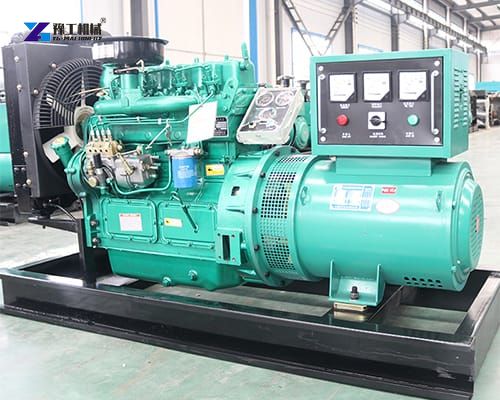
- The diesel engine is the heart of the system. It converts chemical energy from diesel fuel into mechanical energy.
- The alternator is coupled to the engine and is responsible for converting mechanical energy into electrical energy.
- The fuel system includes the fuel tank, fuel pump, and injectors, ensuring a steady and clean fuel supply to the engine.
- The cooling system prevents overheating by regulating engine temperature, typically using water or air cooling methods.
- The exhaust system directs combustion gases away from the generator while minimizing noise and emissions.
- The control panel allows users to monitor and manage operating parameters such as voltage, frequency, oil pressure, and temperature.
- The base frame and enclosure provide structural support, vibration reduction, and environmental protection.
Advantages of the Diesel Generator Sets
The popularity of the genset diesel generator is not accidental. It offers several clear advantages over alternative power solutions.
- High reliability is one of its strongest benefits. Diesel engines have fewer ignition system components compared to gasoline engines, reducing the risk of failure.
- Longer lifespan is another advantage. With proper maintenance, a genset diesel generator can operate effectively for decades, making it a cost-effective long-term investment.
- Superior load handling capability allows diesel generators to manage sudden load changes without significant performance drops. This is especially important in industrial and commercial settings.
- Fuel safety is also worth mentioning. Diesel fuel is less flammable than gasoline, reducing storage and handling risks.